
Putting a working vehicle to work for the grid.
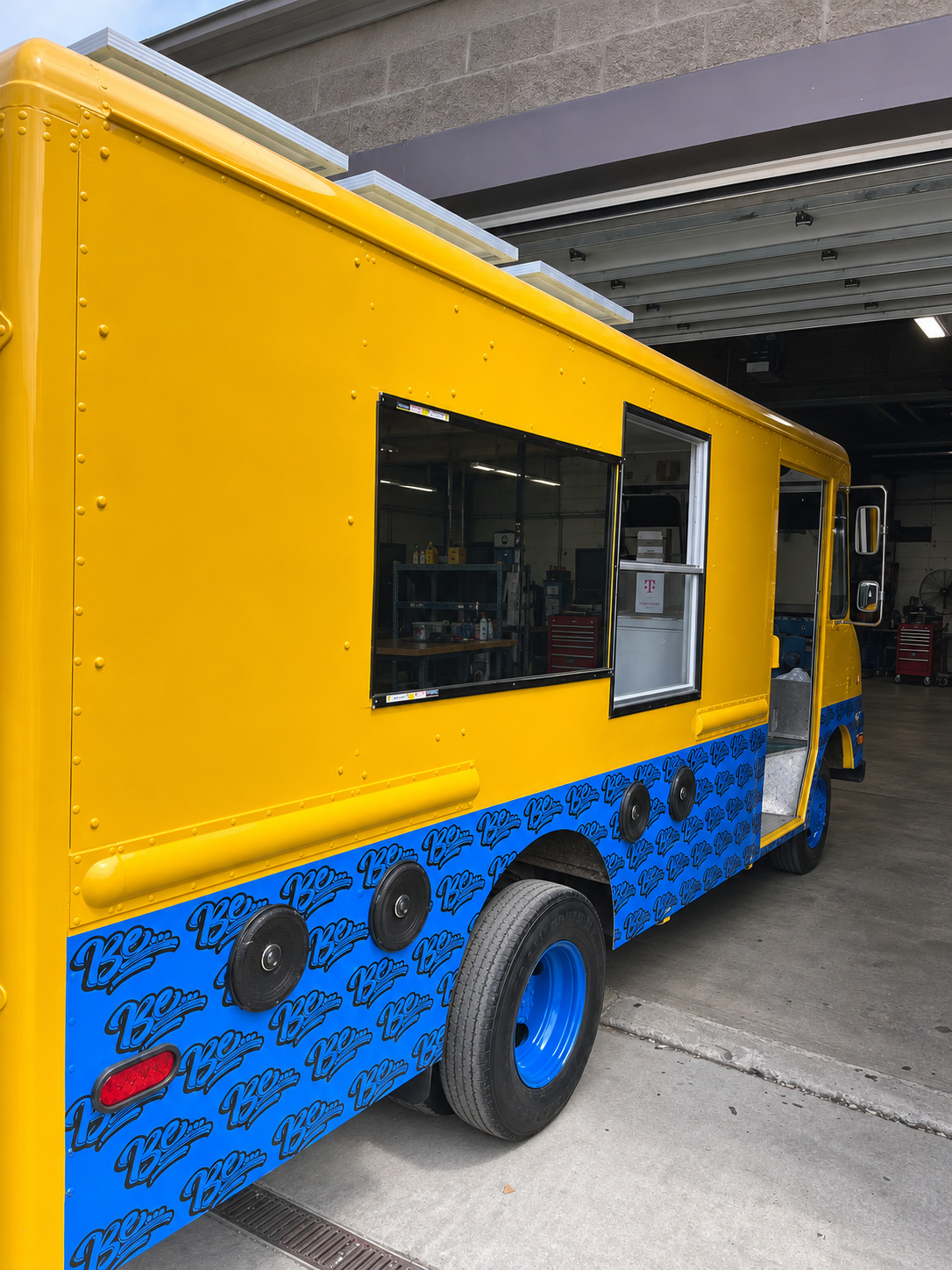
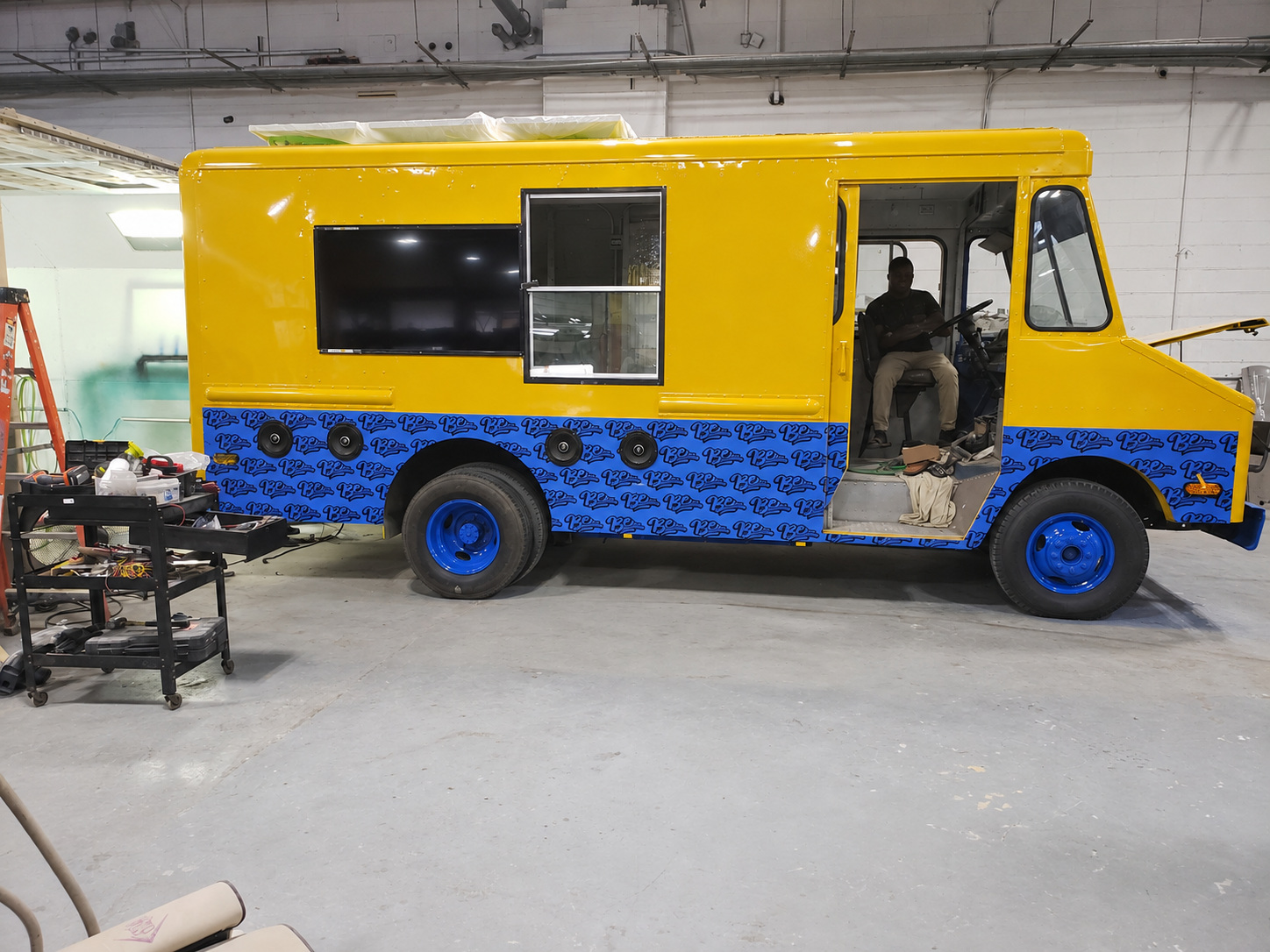
A virtual power plant can include assets that move through the community. Our team put that idea into practice by retrofitting an ice cream truck with a separate solar-and-battery system, creating a vehicle-mounted energy resource for our VPP initiative.
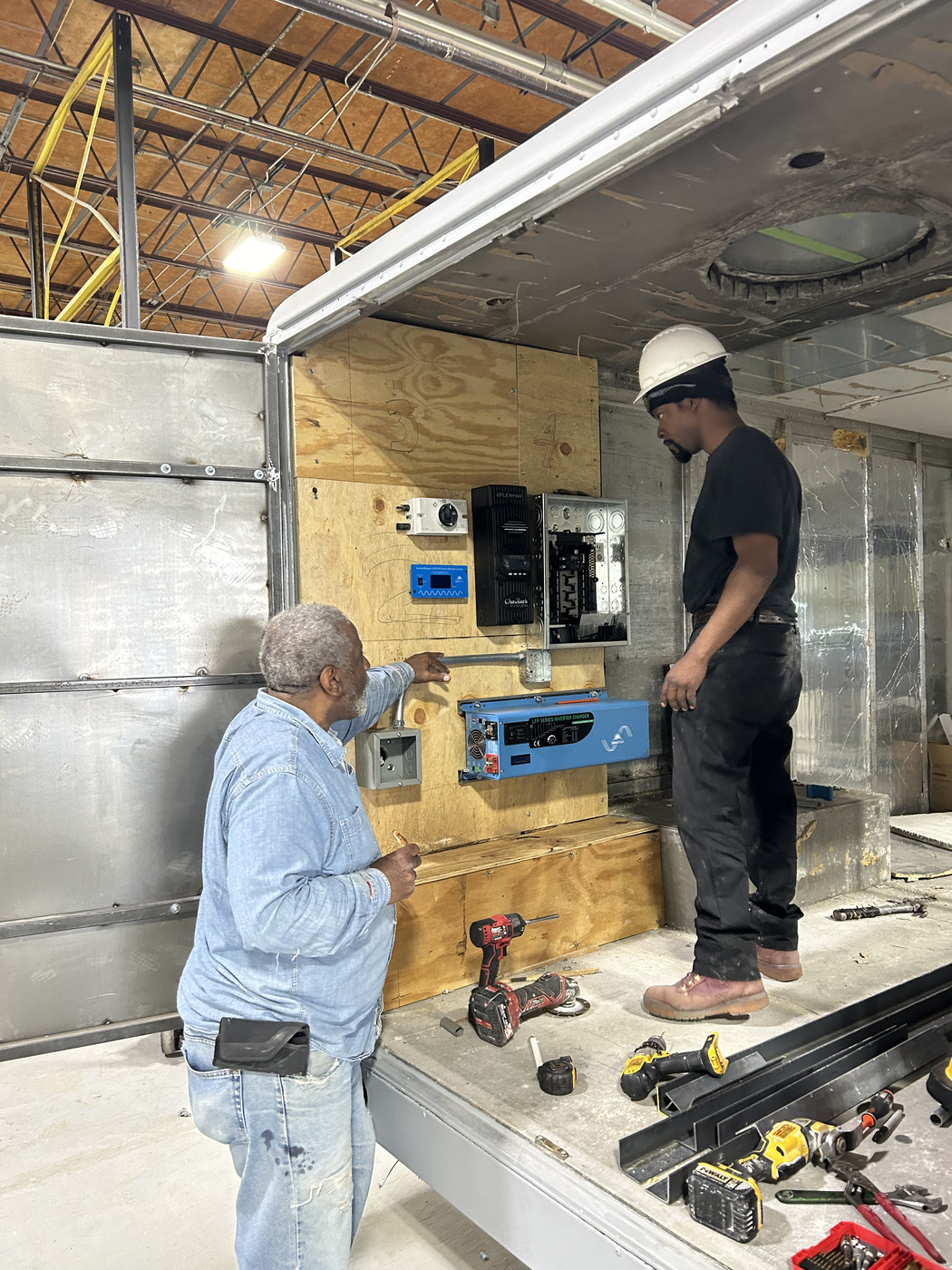
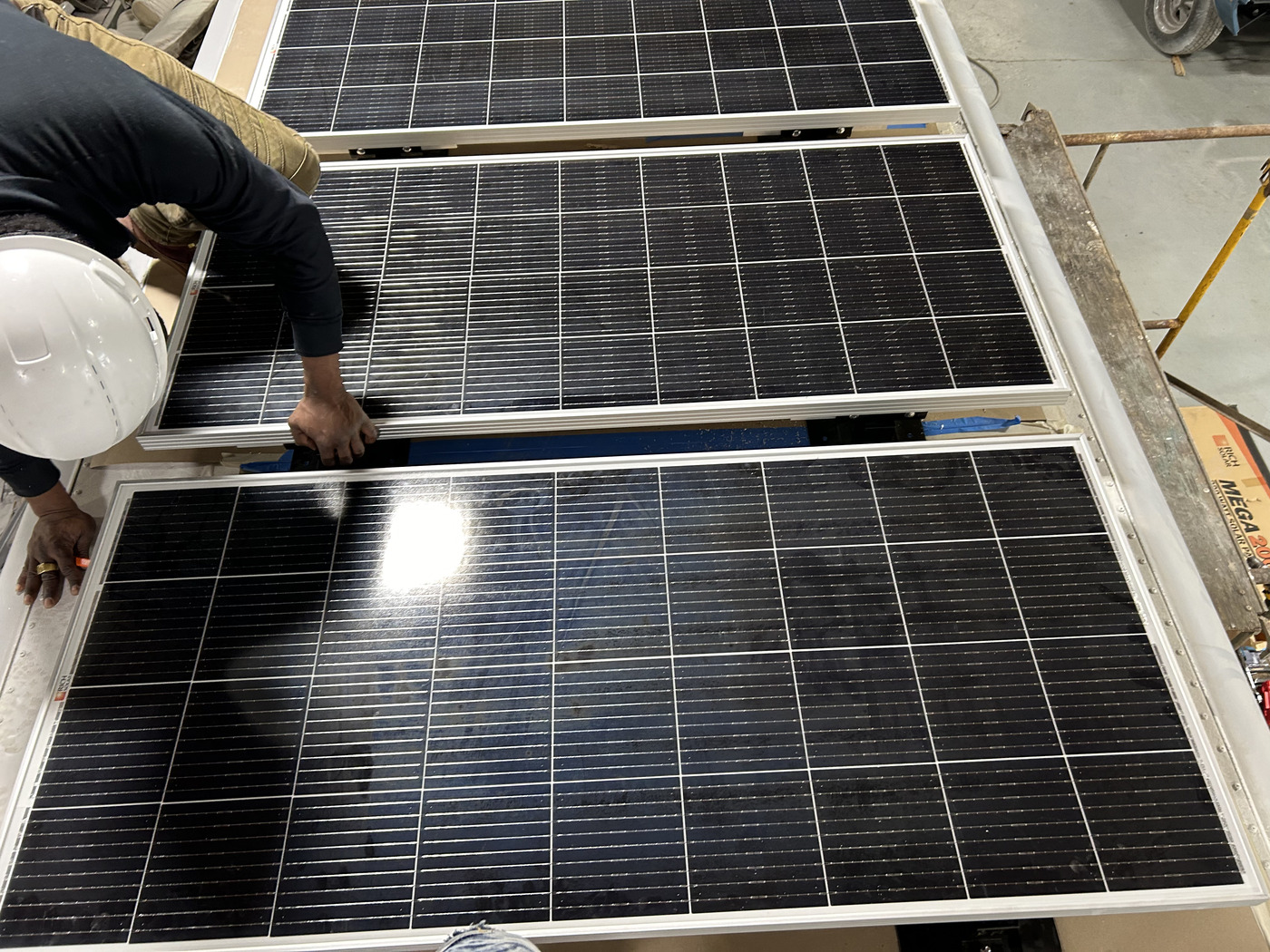
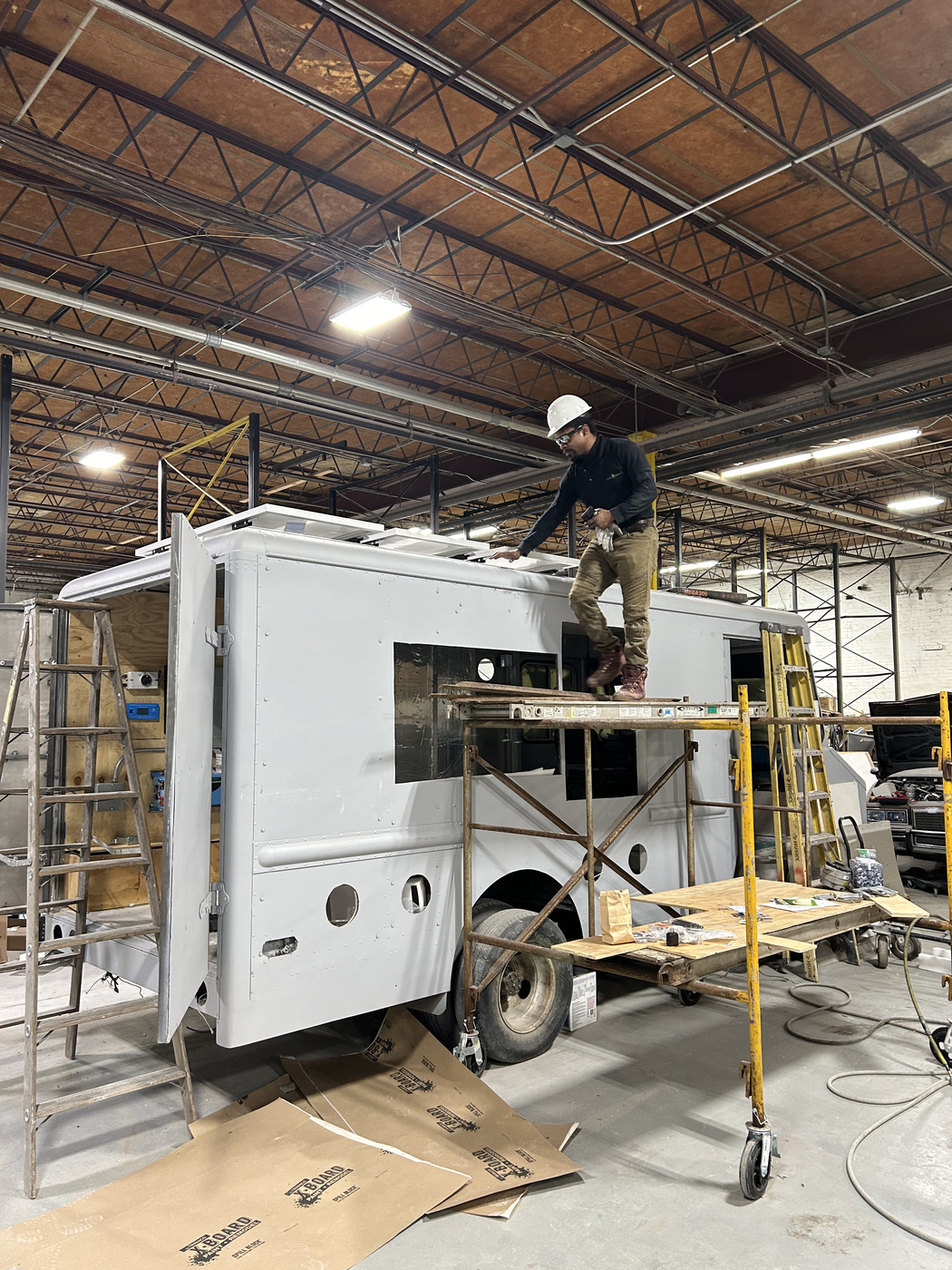
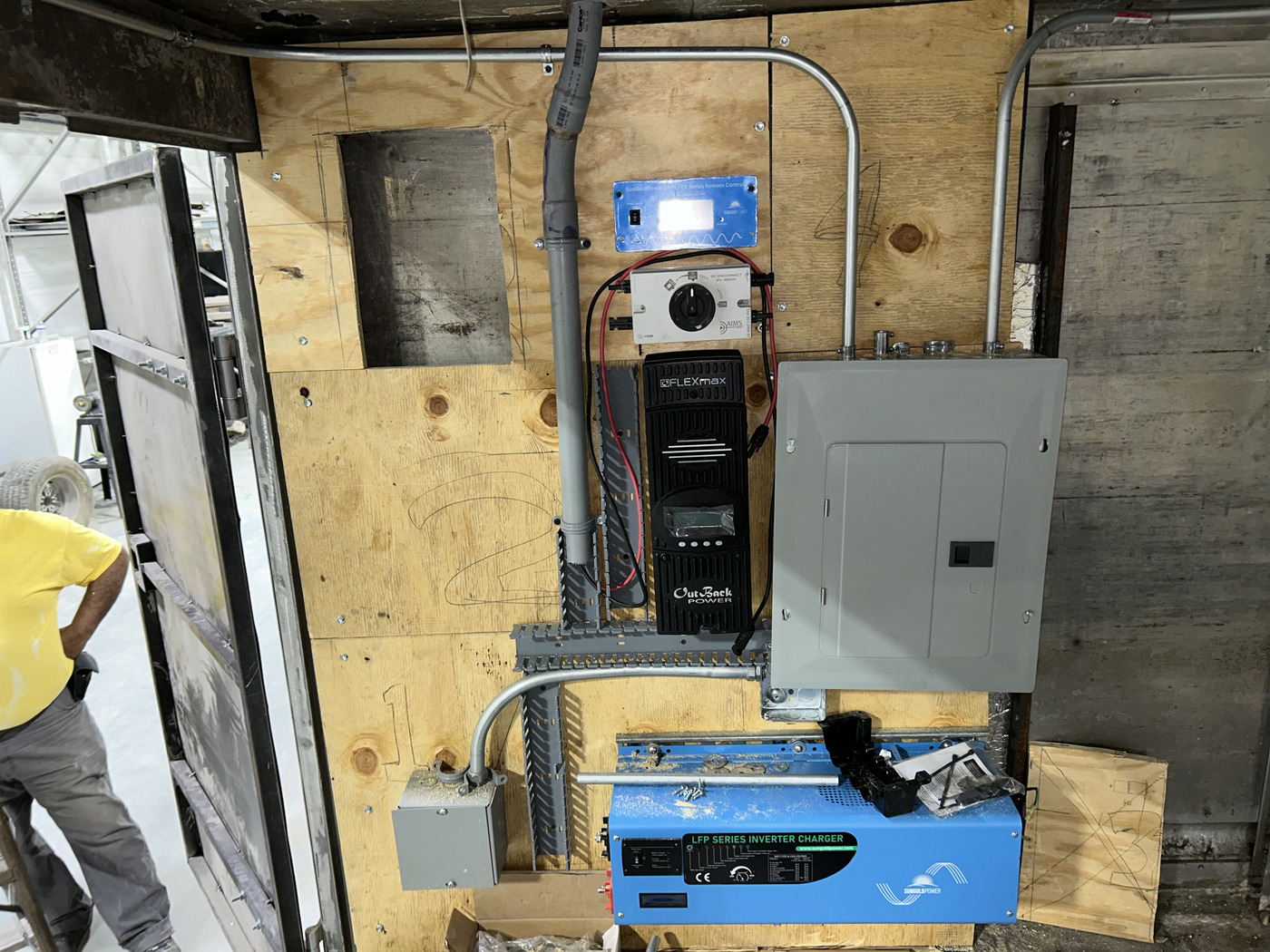
We completed the project in 2024, combining a 4 kW rooftop solar array with onboard battery storage while retaining the truck’s original propulsion system. Our team installed the electrical equipment around the practical requirements and available space of a working commercial vehicle.
For Lumena Energy, the larger opportunity is metropolitan energy resilience. Commercial vehicles already operate throughout our cities. Equipping suitable vehicles with controllable energy systems creates an opportunity to support their daily work and contribute to a coordinated energy network.
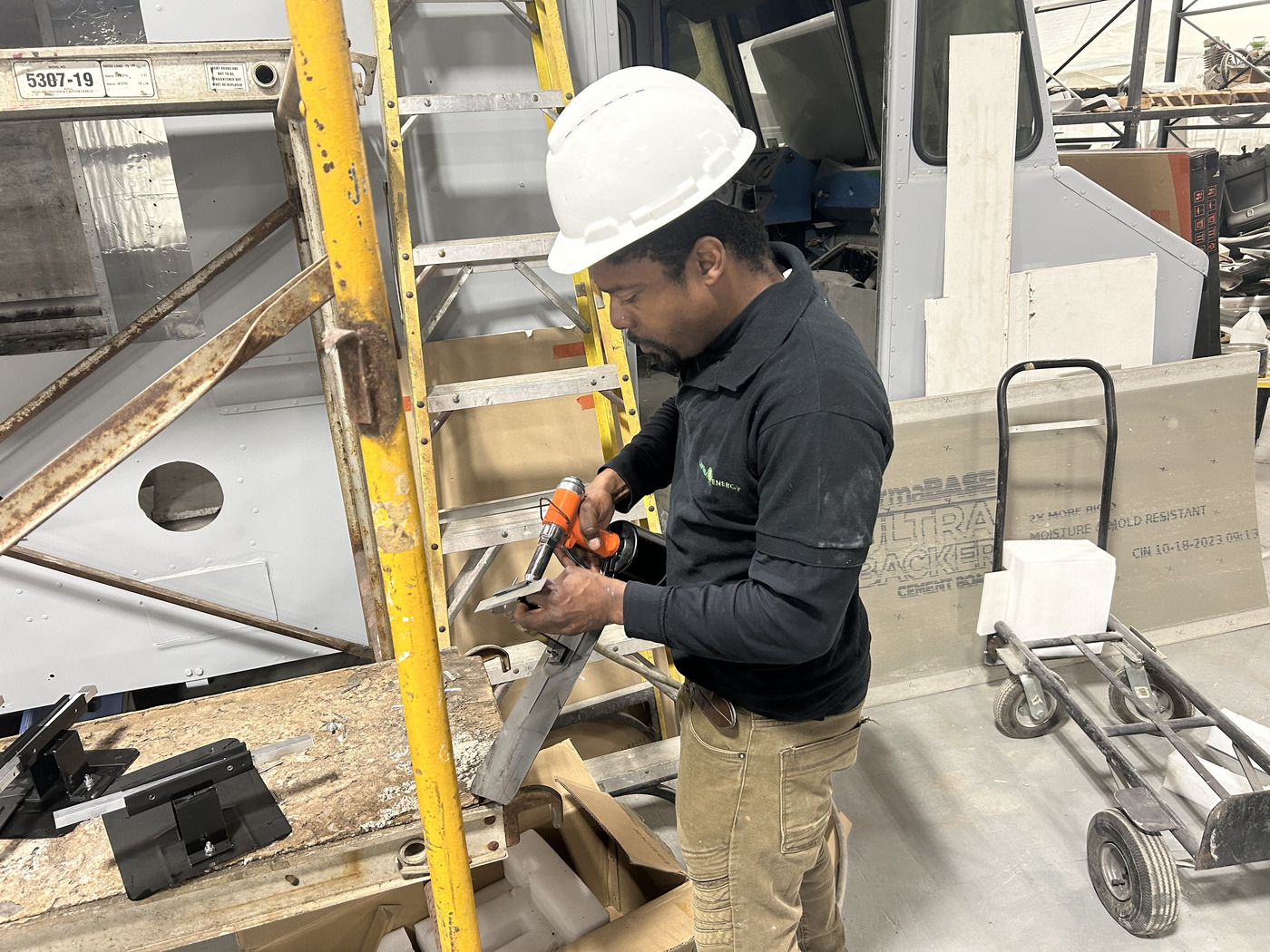
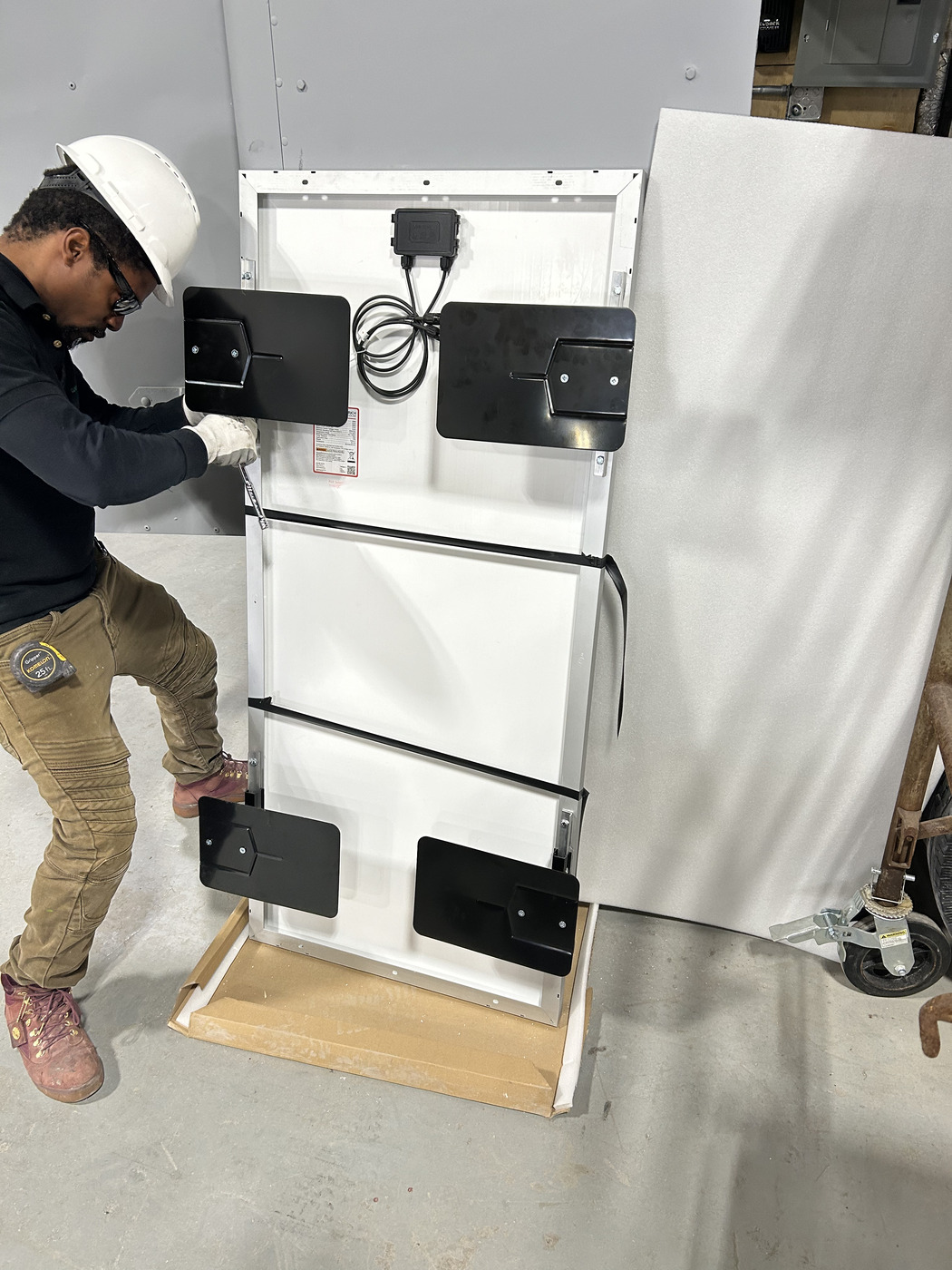
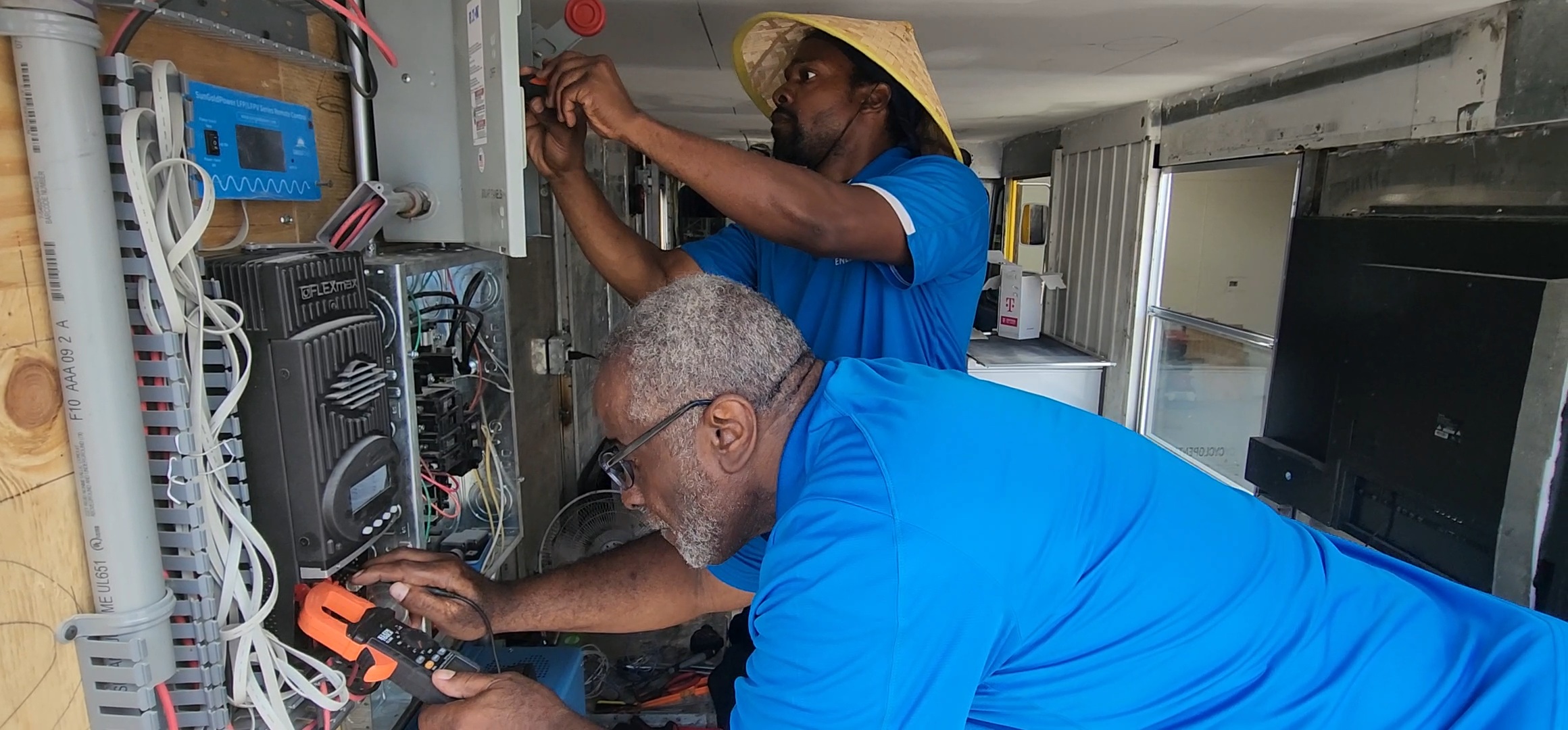
Inside the conversion.
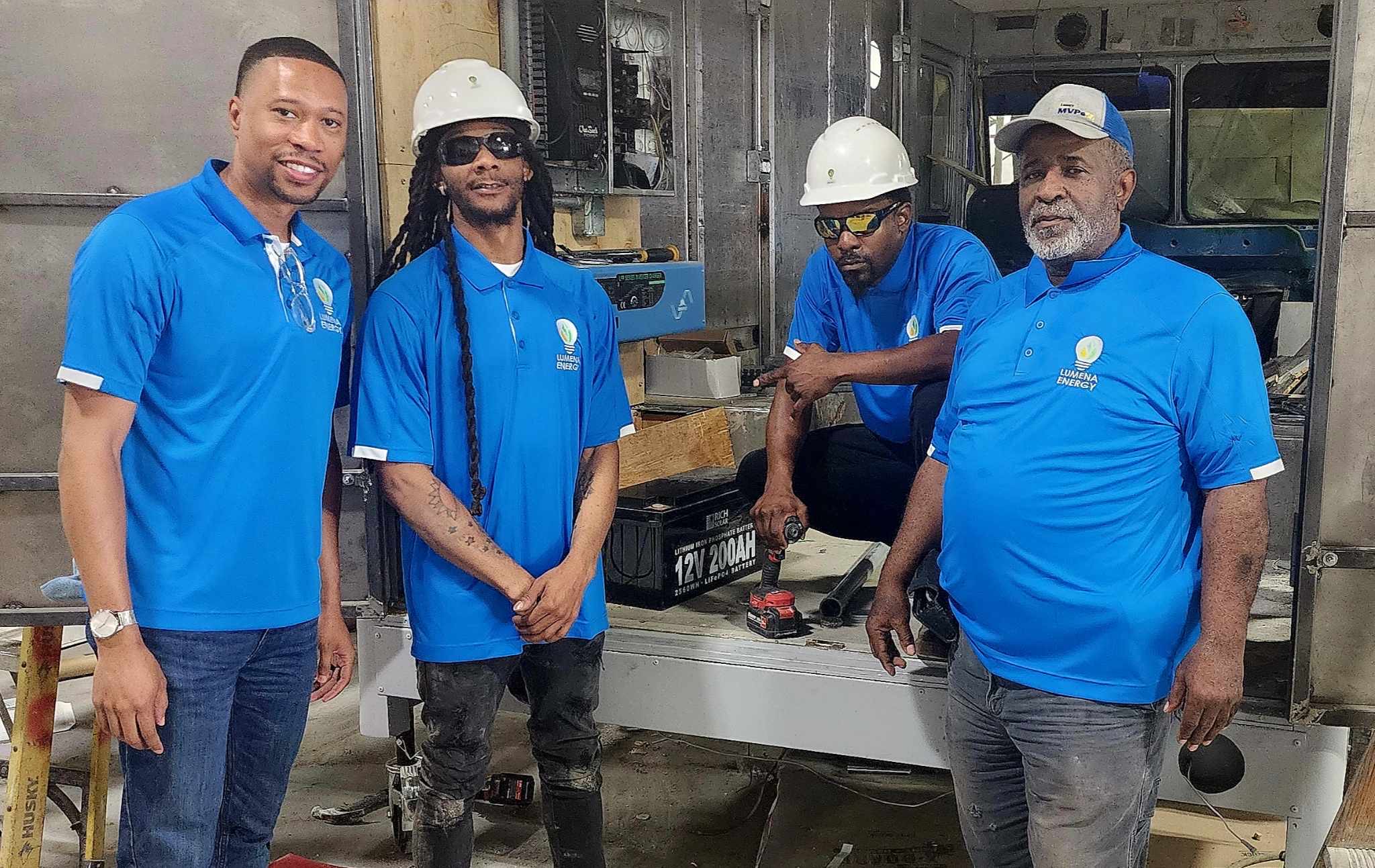
From solar-panel preparation to the completed truck, follow our team through the retrofit.
What vehicle-to-grid means.
Vehicle-to-grid, or V2G, allows a compatible vehicle energy system to send electricity back to the grid through an approved electrical connection. Software coordinates when the resource charges or discharges, taking account of its available energy and operating needs. The U.S. Department of Energy identifies vehicle-grid integration as a way to support grid reliability, manage demand and provide value to vehicle owners. DOE assessment ↗
Many V2G programs use an electric vehicle’s propulsion battery. Our project took a different engineering approach: adding a separate solar-and-battery system to an existing commercial vehicle. That allows us to examine the vehicle’s energy role separately from replacing its drivetrain.
Stored on board. Coordinated through Parsecc. Delivered where it’s needed.
Our bidirectional charging system enables large commercial vehicles retrofitted with solar to store excess energy in onboard batteries. Energy generated during the day can be held for use when and where it is needed.
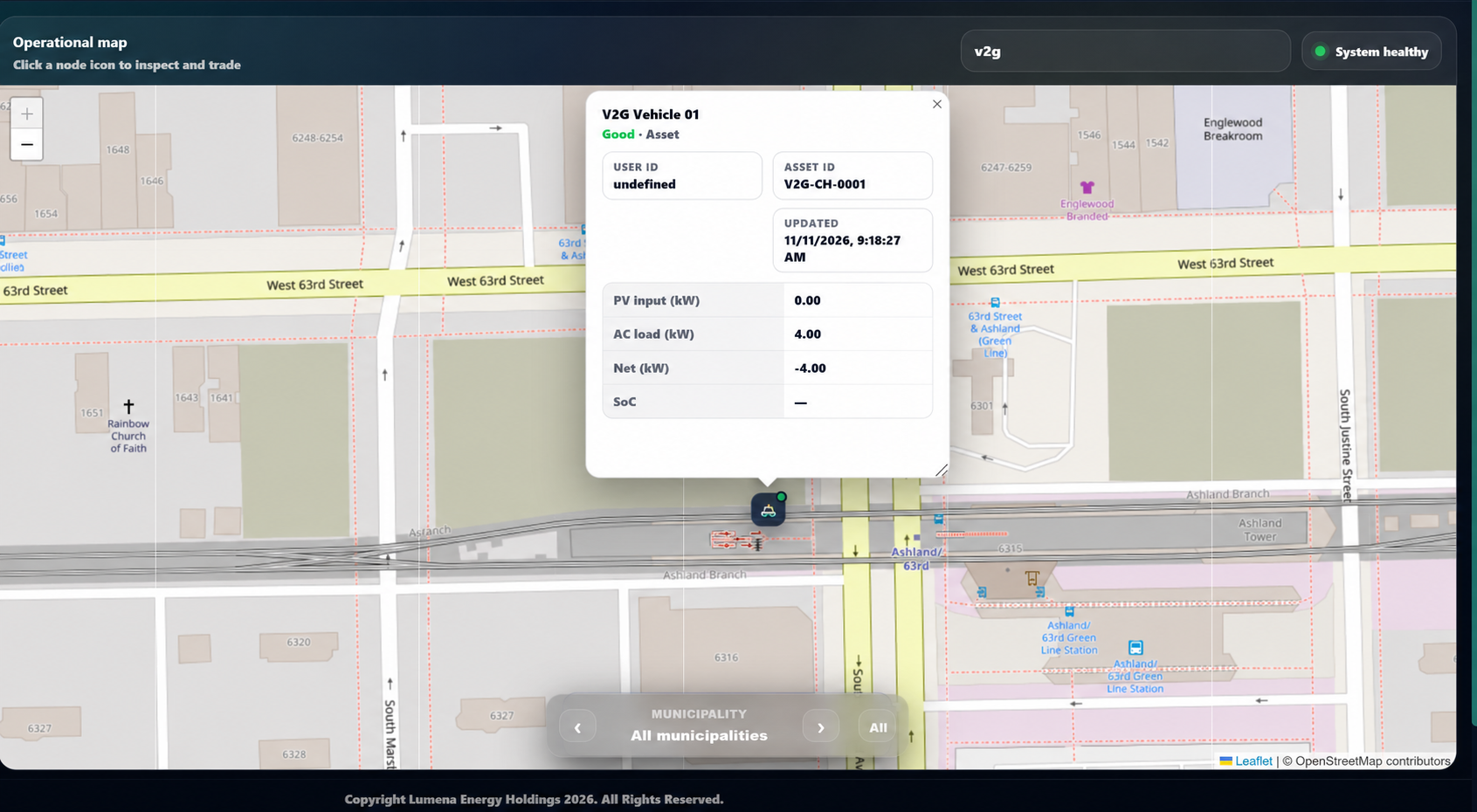
In orchestration with Parsecc, our Distributed Energy Resource Management System (DERMS), our AIoT device sends and receives live updates. This two-way communication connects the vehicle’s energy system with our coordinated operating network.
When a community needs a power boost, we can dispatch vehicles to its location. Vehicle deployment brings stored energy closer to the need, with power delivery coordinated around the available battery energy, vehicle requirements and the electrical connection at the destination.
This approach gives solar-equipped commercial vehicles a role beyond their daily routes: storing local generation and bringing mobile energy resources to communities that need support.
A metropolitan reserve opportunity.
Electricity supply and demand must stay balanced. Grid operators maintain operating reserves so they can respond when generation unexpectedly drops or demand changes.
Spinning reserve traditionally refers to spare output available from generating equipment already running and connected to the grid. In PJM, synchronized reserve requires an online resource capable of responding within 10 minutes. Its rules recognize both additional power and qualifying reductions in electricity consumption. PJM Manual 11 ↗
A properly maintained metropolitan V2G program could strengthen this responsive resource pool by coordinating eligible vehicle-connected batteries. The operator would know which vehicles are connected, how much energy they can release and how long they can sustain the response.
The program must protect each vehicle’s primary work. That means scheduling participation around routes and business hours, maintaining battery reserves for onboard equipment, and verifying electrical and communications systems before committing capacity. Reserve participation is determined by qualified export capability, stored energy and actual availability.
The research behind the opportunity
Research context: passenger-vehicle parking patterns differ from commercial fleet schedules. ComEd’s pilot involved four electric school buses across three Illinois school districts.
ComEd reported discharging in 93% of scheduled summer events, compared with 73% during the school year. Fleet schedules and equipment readiness belong at the center of a V2G program. ComEd pilot evaluation ↗
From one rooftop to a distributed fleet.
Our truck’s 4 kW array provides a starting point for illustrating how distributed solar capacity adds up.
Solar nameplate capacity. Calculated as vehicle count × 4 kW; reserve capability is assessed separately.
Build the program around the people who operate it.
A metropolitan program coordinates the energy available across individual systems. Solar production, battery charge and vehicle schedules become inputs to an operating plan that supports both the business and the wider network.
This conversion reflects how we approach distributed energy at Lumena Energy: identify a practical asset, engineer around its operating needs and connect it to a larger purpose.