
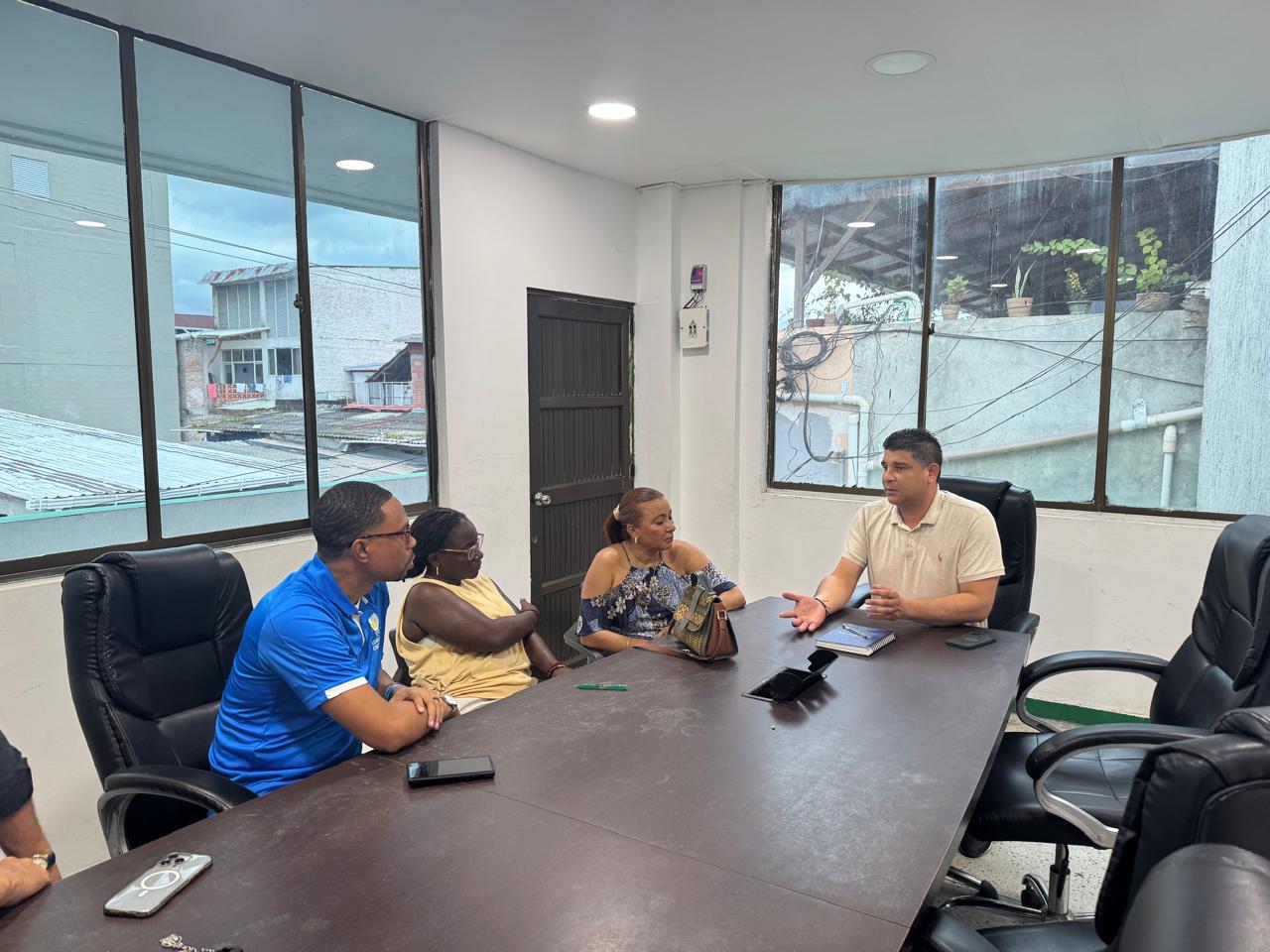

Virtual power plant planning starts with understanding a community’s energy needs. In 2025, Lumena Energy CEO David N. Jones was appointed Bilateral Energy Advisor for Colombia. Working with the office of then-President Gustavo Petro, we helped identify priorities for grid modernization across the country.
Our energy consulting work focused on where distributed energy resources (DERs) could address reliability challenges and give affected communities greater control over their energy supply. We helped map areas of the Colombian Amazon and identify cities that could host pilot programs, supporting a proposed mixed-asset virtual power plant combining more than 1 GW of generation, storage and flexible demand.
Public data · 2025 context
The reliability challenge behind the planning
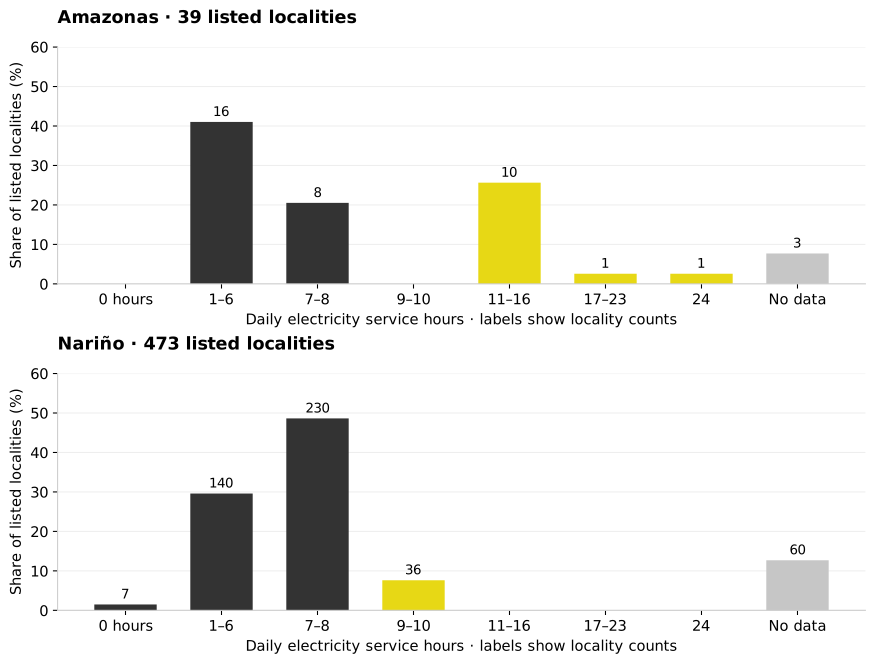
Reliable power was a practical concern for communities outside Colombia’s interconnected grid. Among the localities listed without telemetry in IPSE’s June 2025 report, 24 of 39 in Amazonas and 377 of 473 in Nariño reported eight hours or less of daily electricity service.
Department-level service data from IPSE Table 5. Percentages use all 39 listed localities in Amazonas and all 473 in Nariño, including localities with unreported service hours.
Daily service was limited in many listed communities
We focused on where distributed energy assets could support a more dependable local supply and give communities greater control over their energy future.
Distributed energy planning for grid modernization
Our role was to help the government identify locations where pilot programs could support its modernization objectives. That meant connecting national energy priorities with the needs of individual communities, particularly in areas facing unreliable service or the risk of load shedding.
The proposed mixed-asset virtual power plant would bring together more than 1 GW of distributed energy resources across participating communities.
A virtual power plant coordinates distributed energy resources, such as generation, storage and flexible demand, so they can operate as a connected system. That coordination is relevant when planning how assets could work together across locations. Read the IEA’s explanation of virtual power plants.
The proposed programs were intended to reduce those risks and support greater local energy independence. The work established priorities for further development and supported Colombia’s broader ambition to build a more sustainable energy economy.
Proposed technical scope
A mixed-asset virtual power plant, coordinated through Parsecc DERMS
The proposed virtual power plant would combine different types of distributed energy resources, including generation, energy storage and flexible demand. The aim would be to coordinate those resources as one network while accounting for the needs of each location.
Multi-day energy forecasting
The planned system would include energy forecasting several days ahead to inform decisions about when to store, dispatch and sell energy.
Lumena storage and AIoT controllers
Lumena Energy would use its own proprietary energy storage devices and AIoT controllers, paired with Parsecc DERMS, its Distributed Energy Resource Management System. AIoT combines artificial intelligence with connected devices, known as the Internet of Things. In this system, the controllers would connect field equipment with the software used to monitor and coordinate it. This combination would monitor connected energy assets, coordinate dispatch and support sales of the energy those assets produce or store.
Proposed system architecture
One coordinated network.
Different energy resources.
Mixed-asset virtual power plant · More than 1 GW proposed
01 · Distributed energy resources
Distributed generation
Generation assets across participating sites
Lumena storage
Proprietary energy storage devices
Flexible demand
Participating controllable energy loads
02 · Field monitoring & control
Lumena AIoT controllers
Connect participating assets with the management layer
03 · DERMS
Parsecc DERMS
- Monitor assets
- Multi-day forecasting
- Coordinate dispatch
- Support energy sales
A path toward peer-to-peer energy trading
The longer-term plan would enable Colombian citizens to trade excess energy among themselves through peer-to-peer energy trading, with an eventual route to sell surplus energy to neighboring countries through authorized cross-border market arrangements.
Colombia’s regional energy exchanges provide context for the longer-term vision. In 2025, its electricity exchanges with Ecuador used the Transacciones Internacionales de Electricidad (TIE) mechanism. Source: Ministry of Mines and Energy, February 2025
Colombia’s energy transition · 2025
Solar was entering the grid alongside policy changes
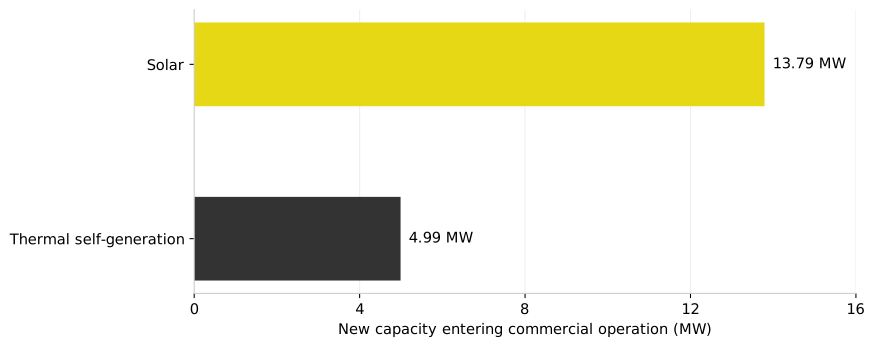
XM reported 18.78 MW of new generation capacity entering commercial operation in the third quarter of 2025. Solar accounted for 13.79 MW; thermal self-generation accounted for 4.99 MW.
New commercial generation capacity · Q3 2025
At 30 September 2025, XM put the national interconnected system’s effective net capacity at 20,721 MW, with solar representing 6.3%.
8 September 2025
Colombia Solar established
Decree 972 created the Colombia Solar program, enabling solar self-generation for residential strata 1, 2 and 3 in interconnected and non-interconnected areas as an alternative to the existing electricity consumption subsidy.
Read Decree 972 · Published 10 September 2025Clean energy workforce development in Tumaco
In Tumaco, we worked with the local government to identify a clean energy strategy that included workforce development.
Those discussions addressed the condition of the local trade school and the updates it needed to support clean energy training. Lumena Energy committed to working with the government to establish a training program and help revitalize the school.
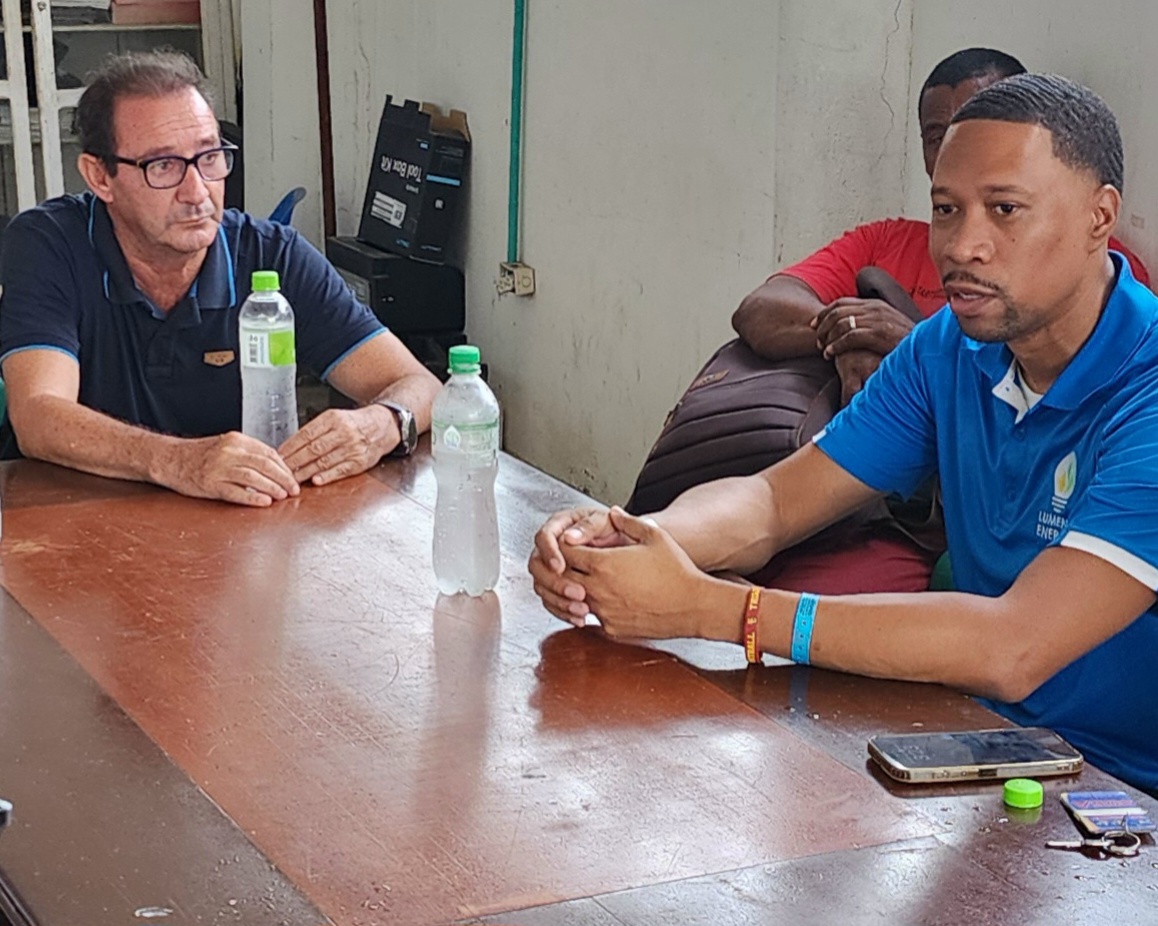
The commitment connected the proposed energy investment with an opportunity for residents to develop the skills needed to participate in that work.
What the engagement established
The Colombia engagement linked national grid modernization planning with local implementation needs. Our work helped identify prospective pilot locations in the Amazon and target cities, while the Tumaco discussions established a commitment to pursue clean energy training and improvements to the local trade school.
The next stage would focus on project design and implementation planning for each location, bringing asset coordination, multi-day forecasting, dispatch and future energy trading into a shared roadmap.