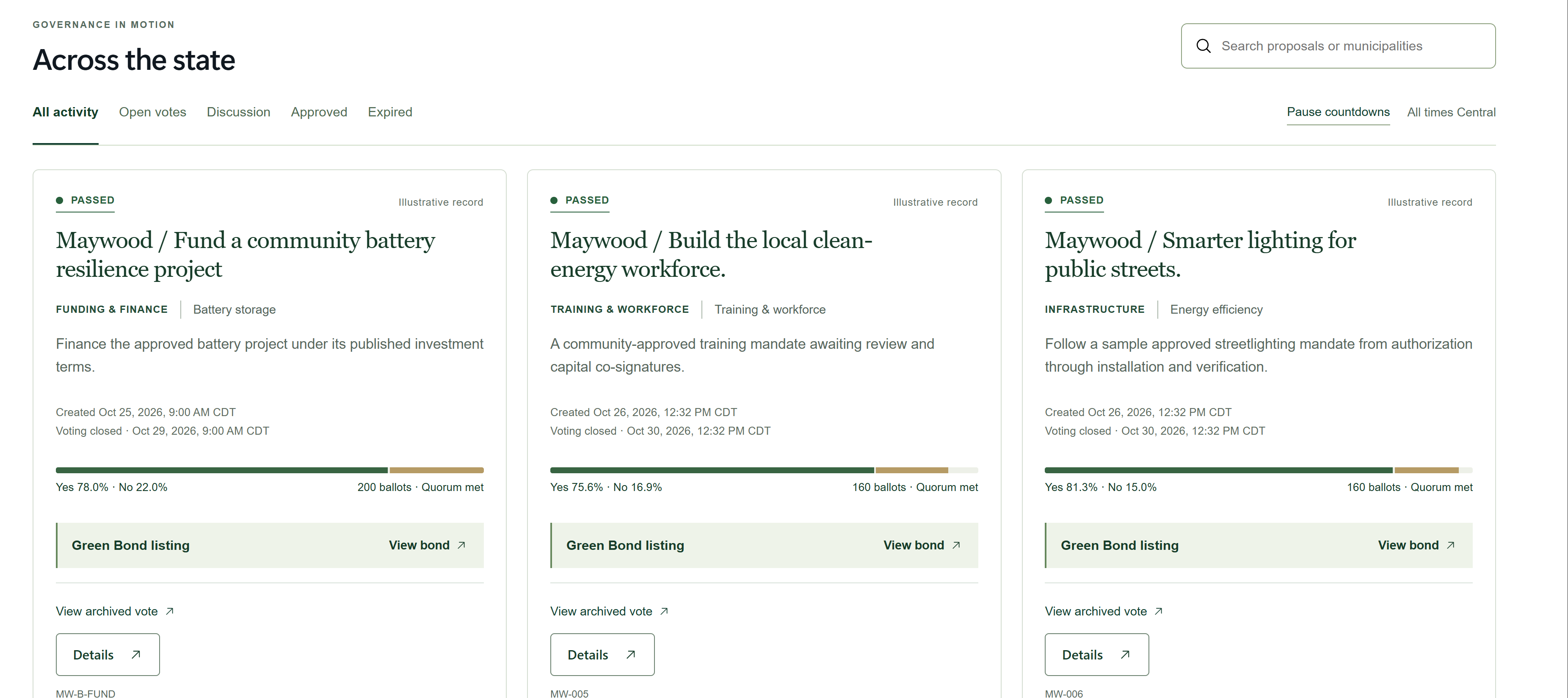
We created Greenovate REDAO to give residents a direct say in the projects that improve their communities and a way to participate in funding them.
A neighborhood may need better lighting, cleaner public spaces or infrastructure that can withstand flooding. Residents know these needs firsthand. Our goal was to connect their ideas and votes with a process for raising money, building projects and keeping a record of how that money is used.
Greenovate is a green development program aimed at beautifying communities, improving sustainability and strengthening the local economy. Renewable energy is part of that work, alongside the public improvements and workforce opportunities that make a community a better place to live.
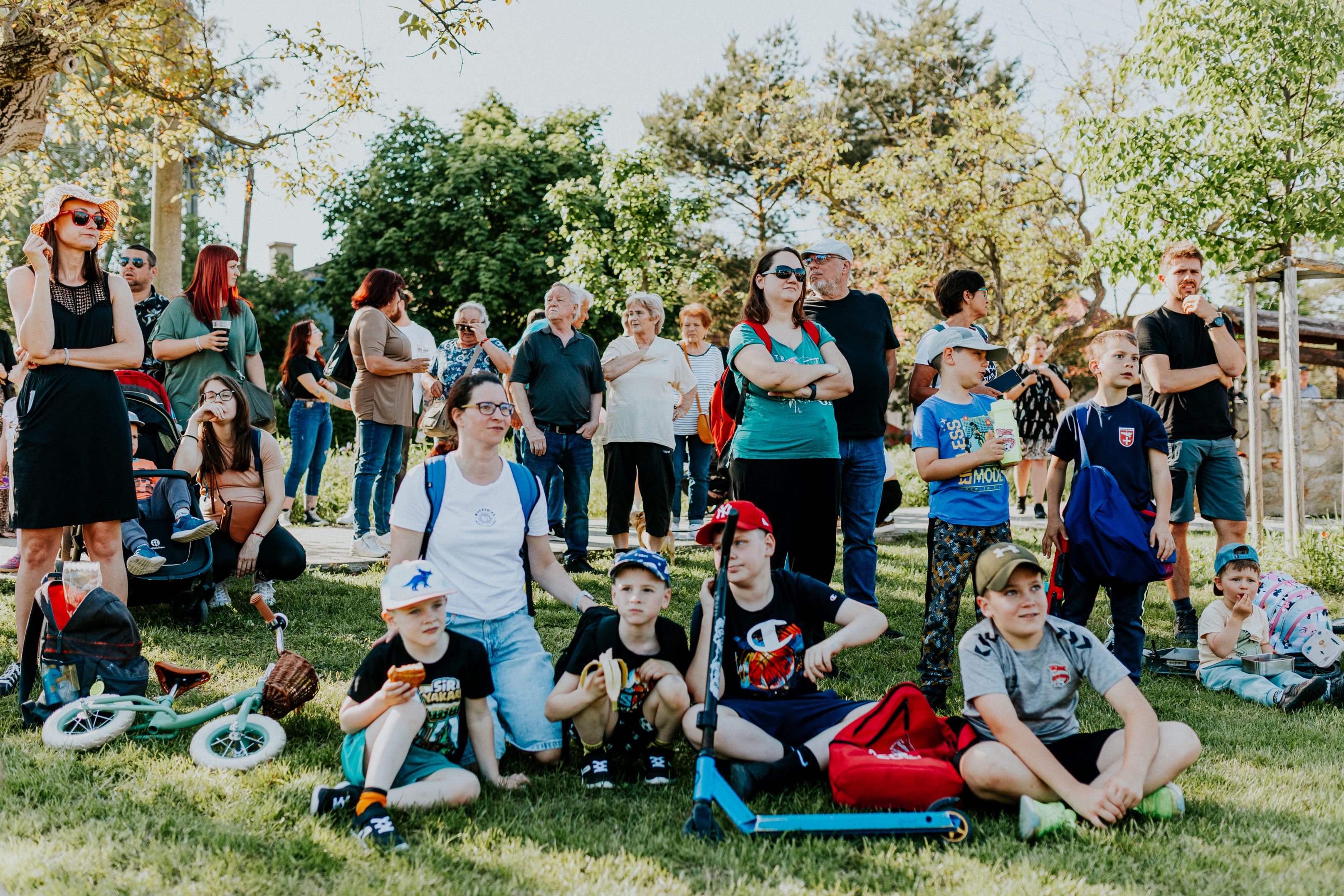
Working with residents in Maywood.
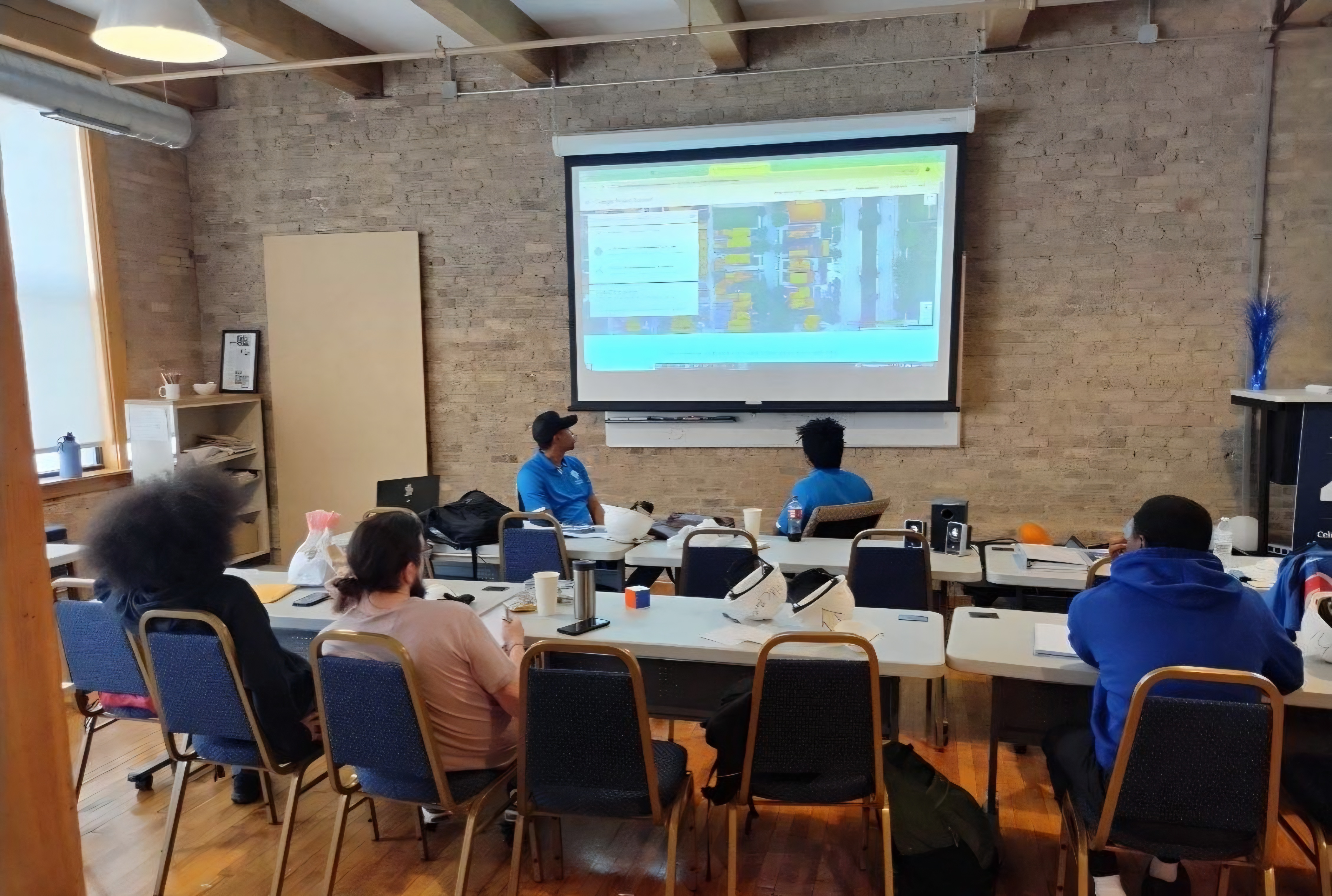
The University of Chicago partnered with us on a pilot program in Maywood, Illinois, to test the platform with residents. We brought REDAO into a community setting so residents could participate in testing the platform built to support their involvement in local projects.
The purpose was to put community participation into practice. Residents need a way to bring forward ideas and take part in the decisions affecting their neighborhoods. The Maywood pilot brought that development work to residents who could use the platform to participate in local decisions.
What is a DAO, and why did we build one?
DAO stands for decentralized autonomous organization. It is a group that makes decisions through shared rules, with software handling defined parts of the process, such as recording votes. “Decentralized” describes how participation and decision-making are distributed among members. “Autonomous” refers to the rules the software can carry out once their conditions are met.
Our REDAO is a Renewable Energy Decentralized Autonomous Organization. It brings residents, utility companies, local government and other stakeholders into a common process for proposing projects, voting and participating in investment.
A community starts by creating a REDAO smart contract. A smart contract is a program on a blockchain that carries out agreed instructions. For example, it can check whether a vote was submitted within the voting period and record that vote according to the community's rules.
The contract establishes participants' stakes and what those stakes mean. That includes the ownership and participation rights attached to them. A governing board provides checks and balances, with people responsible for oversight as the community makes decisions and projects move forward.
These rights need to be clear. Membership gives a participant the rights defined by the REDAO's rules. Buying a project bond gives an investor the financial rights described in that bond's terms. Ownership of physical equipment or property is established through the relevant project agreements.
What the clean energy blockchain does.
A blockchain is a shared digital record maintained across a network of computers. Entries are linked together so participants can trace the history of recorded transactions and changes. In our clean energy approach, that record connects the people taking part with the agreements and transactions surrounding community projects and energy exchange.
Think of the information needed to follow a project: who proposed it, what stakeholders voted for, who invested and where the money was allocated. Recording these events creates a history that can be checked as the project progresses.
When an asset is represented by a digital token, the token is an entry used to track the rights associated with it. Those rights come from the underlying agreement. In REDAO, this allows the digital record to connect a participant's stake or financial interest with the terms governing it.
Our energy blockchain work also addresses transactions between energy producers and consumers. The record can identify the parties to a trade, the amount of energy involved and the agreed payment. Smart contracts support the rules for recording and settling those transactions.
Parsecc DERMS, our Distributed Energy Resource Management System, performs a different job. It monitors connected energy assets, uses forecasts to support planning and coordinates when assets supply or store energy. The blockchain records transactions and agreed rights; Parsecc DERMS coordinates the equipment involved in energy operations.
Blockchain in financial records and public services.
Shared ownership records and traceable transactions have applications in both investment products and government services. These examples provide context for the systems we are bringing together through REDAO.
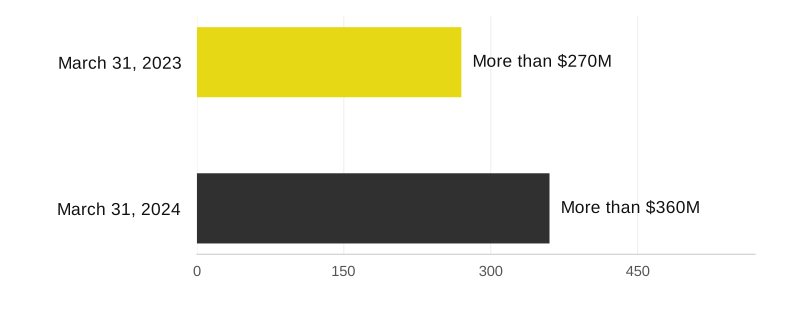
U.S. financial product example · March 2023 and March 2024
A U.S. example of blockchain-recorded fund ownership.
 Open full-size chart
View chart data
| Measure | Value |
|---|---|
| FOBXX AUM, March 31, 2023 | More than $270 million |
| FOBXX AUM, March 31, 2024 | More than $360 million |
Franklin Templeton also announced peer-to-peer transfers of fund shares in April 2024. Its use of blockchain to record ownership is a concrete financial application of the technology. Source: Franklin Templeton.
Illinois described five blockchain proofs of concept in its 2018 NASCIO submission, spanning property records, academic credentials, physician licensing, renewable energy credits and digital identity. Source: Illinois state submission to NASCIO.
Legitimate participants. Accountable decisions.
We keep a human in the loop to verify that residents and stakeholders are legitimate. A human reviewer checks participation and eligibility, connecting each participant’s role in the REDAO with the resident or organization behind it.
That review is important because the right to participate affects community decisions and investment. Human verification establishes who is eligible; the platform then applies the participation rules to proposals, votes and other authorized actions.
How the blockchain helps reduce fraud and corruption.
A shared transaction history makes it harder to quietly alter the record of a decision or financial transfer. Cryptographic links between records make changes detectable, giving reviewers a way to follow what was recorded and check it against the approved action. This is the tamper-evident property described in NIST's explanation of blockchain.
For a community project, that means being able to compare the proposal, the recorded vote and the use of the money raised. Defined permissions restrict who can perform particular actions. Separating those responsibilities makes attempts to bypass the agreed process easier to identify and challenge.
Human review, the governing board and the operational leagues work alongside those records. Reviewers check the people and evidence involved, while the recorded history supports scrutiny of the decisions and transactions. Together, these measures help reduce opportunities for false participation, unauthorized changes and misuse of funds.
Four operational leagues provide checks and balances.
Each league has a defined responsibility. Keeping community decisions, financial oversight, compliance review and technical work distinct gives stakeholders a clear view of who is accountable for each part of the process.
- Municipal League
- Coordinates local proposals and community priorities, follows the agreed mandate and provides accountability for project delivery.
- Treasury League
- Oversees capital management and the financial side of approved projects, including tracking funds and participating in the authorization of their release.
- Compliance League
- Reviews whether actions and supporting evidence meet the applicable rules, including the requirements governing participation, project approval and disbursement.
- Dev League
- Maintains the technical systems and reviews software changes within its assigned authority. Its role concerns the platform's operation and implementation of the agreed rules.
These separate responsibilities give a proposal several points of oversight as it moves toward delivery. The Municipal League connects the work to the community's decision, Treasury oversees the money, Compliance checks the requirements and Dev maintains the technology used to carry out the process. The governing board adds oversight across that work.
How municipal green bonds pay for community projects.
A bond is a way to borrow money from investors. The organization issuing it agrees to repay that money under stated terms, including any interest payments and the repayment date. A green bond directs the money raised toward eligible projects with environmental benefits.
We use municipal green bonds in the REDAO financing model. Municipal bonds are debt issued by state or local governments and authorized public entities. The green designation directs the money raised toward eligible projects with environmental benefits, connecting public financing with improvements in the communities it serves.
For REDAO, municipal green bonds connect approved community projects with financing. Stakeholders decide which proposals they support, while the authorized municipal issuer and financing partners carry out the bond issuance. REDAO connects that process with community participation and auditable records.
The green bond framework answers four practical questions:
- What can the money pay for? The use of proceeds defines the eligible projects and activities.
- How does a project qualify? Project evaluation and selection explains how the issuer assesses proposals against those requirements.
- Where is the money held? Management of proceeds establishes how funds are tracked, including designated sub-accounts or portfolios, until allocated.
- How will people see what happened? Reporting commits the issuer to annual updates on the use of funds and the resulting environmental impact.
These are the four components of the ICMA Green Bond Principles. They give the financing process a defined purpose and a way to account for the money raised.
Under our model, when a proposal passes, the green bond backer advances the project through the certification and issuance process. The bond is issued through the REDAO, with its ownership and transactions recorded so they can be audited. Trading transfers the financial interest represented by the bond under its terms. Once funds are raised and allocated, the project moves into construction.
The municipal green bond opportunity.
Median U.S. municipal green bond issue size in 2021, compared with $94 million in 2014. Both figures are medians from a study of issuance during 2013 through 2021, published in Public Finance Journal in 2025. Source: Bunch and Strauss (2025), Figure 8, p. 65.
The median is the middle issue size: half of the issues are smaller and half are larger. The change gives context for our focus on municipal financing at the scale of community projects.
The wider green bond market already connects investment with environmental projects at significant scale. For REDAO, the opportunity is to bring community priorities into a structured financing process, with clear rules for project selection and the use of funds.
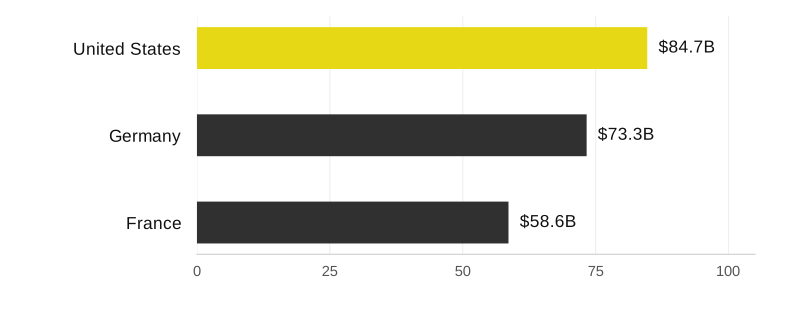
National context · 2024 · USD billions
The U.S. led aligned green bond volume in 2024.
 Open full-size chart
View chart data
| Measure | Value |
|---|---|
| United States | $84.7 billion |
| Germany | $73.3 billion |
| France | $58.6 billion |
We intend to substantially increase the volume of municipal green bonds issued through REDAO, connecting more community-approved projects with the capital needed to build them. We invite organizations to work with Lumena Energy to establish a REDAO for their municipality and advance the state of the art in sustainable energy economies.
The U.S. total covered 1,413 deals across issuer types, showing the scale of the broader green bond market alongside the municipal issue-size data above. Source: Climate Bonds Initiative.
Proceeds generated for Illinois EPA's State Revolving Fund programs by the Series 2025 Green Bonds, closed April 16, 2025. Source: Illinois EPA and Illinois Finance Authority.
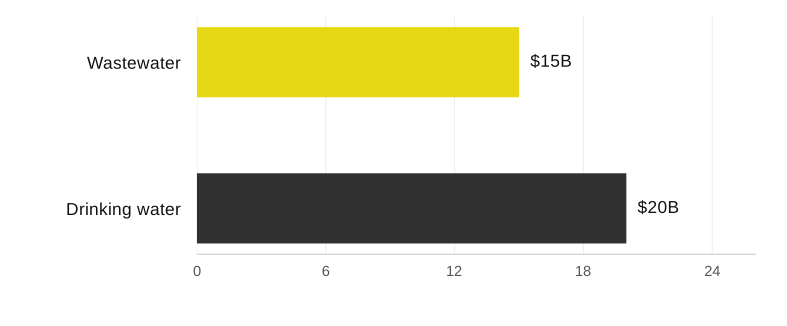
Illinois' water infrastructure illustrates the scale of local investment needs. In its May 2025 release, Illinois EPA estimated $15 billion in wastewater projects and $20 billion in drinking water projects over the next 20 years.
Illinois context · May 2025 estimate · USD billions
Illinois estimates $35 billion in water infrastructure needs.
 Open full-size chart
View chart data
| Measure | Value |
|---|---|
| Wastewater, next 20 years | $15 billion |
| Drinking water, next 20 years | $20 billion |
| Combined estimate, calculated | $35 billion |
How a resident's idea moves toward construction.
A REDAO participant submits a proposal describing the project. The community uses a short, defined decision window to keep the proposal moving through consideration and voting. Stakeholders vote and can commit money through the project's investment process.
The governing board provides oversight, while the green bond framework establishes which projects qualify and how their financing is handled. Approval moves the selected project into the bond issuance and funding process. Construction follows the allocation of financing, with reporting continuing as the work is delivered.
Illustrative example of the process
A neighborhood proposes solar lighting.
A resident identifies a public area that needs better lighting and submits a solar lighting proposal. The proposal is evaluated against the community's project requirements, and stakeholders vote within the defined window.
If approved, the project advances through the bond financing process. Investors provide capital under the bond's terms, the allocated funds pay for installation, and reports account for the spending and environmental results. The REDAO connects the community's decision with the record of investment and delivery.
What the archived ballots tell us.
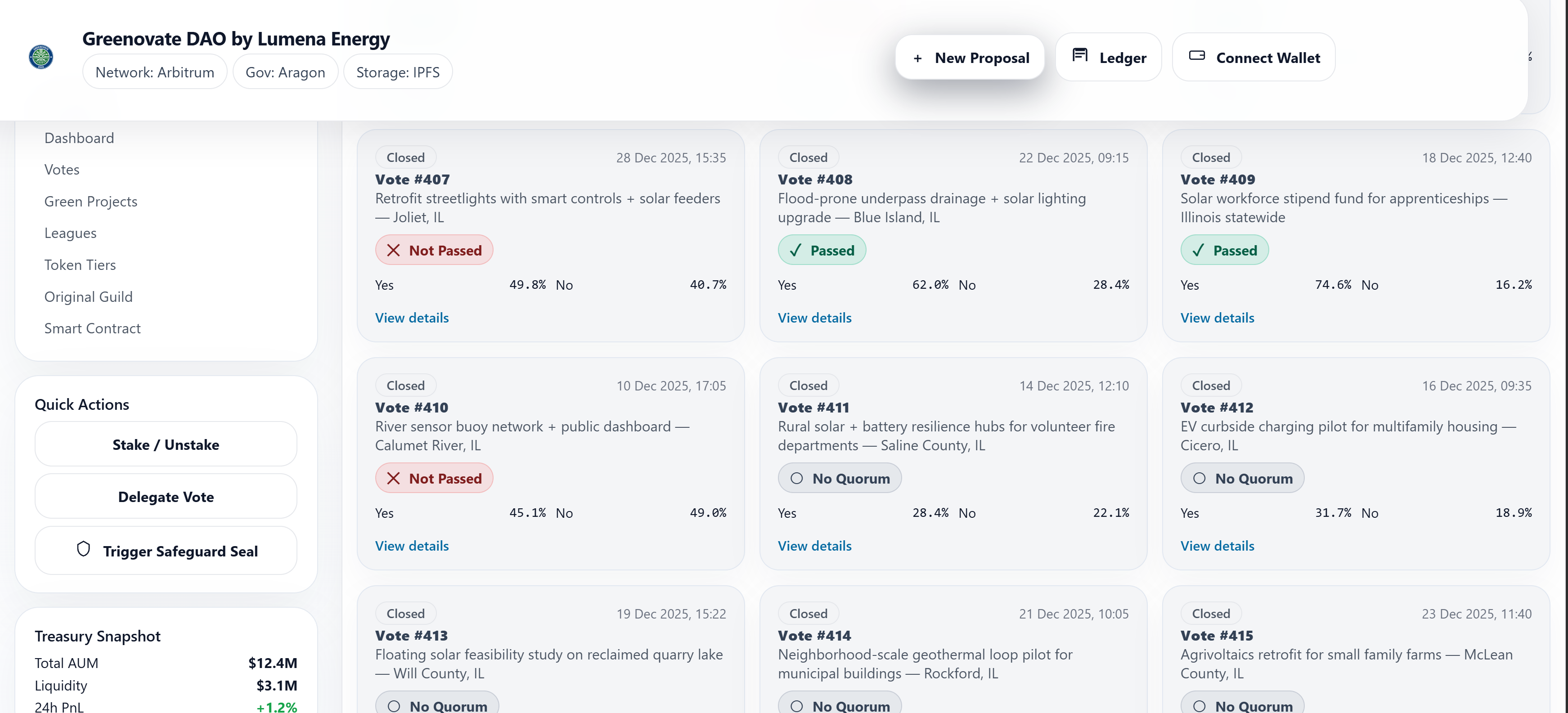
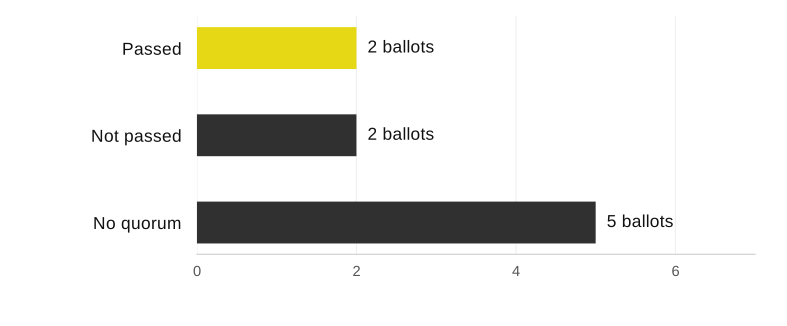
The December 2025 Greenovate ballots show the kinds of community needs brought into the platform. A Blue Island proposal combined drainage improvements for a flood-prone underpass with solar lighting. Another proposed a solar workforce stipend fund for apprenticeships across Illinois. Both are recorded as passed in the archive.
| Ballot | Community priority | Recorded outcome |
|---|---|---|
| #408 | Blue Island: underpass drainage and solar lighting | Passed |
| #409 | Illinois: solar apprenticeship stipends | Passed |
| #407 | Joliet: smart streetlights and solar feeders | Not passed |
| #411 | Saline County: solar and battery resilience hubs for volunteer fire departments | No quorum |
The archive also includes proposals for smart streetlights in Joliet, river monitoring on the Calumet River and solar and battery resilience hubs for volunteer fire departments in Saline County. Other records cover EV charging, floating solar, geothermal systems and agrivoltaics, which combines agriculture with solar energy production.
These proposals show why we built REDAO as a broader green program. The decisions span public safety, infrastructure and employment, with residents and other stakeholders participating in the priorities brought forward.
Greenovate local governance · December 2025 · Visible ballot count
Nine Illinois ballot records in the supplied archive.
 Open full-size chart
View chart data
| Measure | Value |
|---|---|
| Passed | 2 |
| Not passed | 2 |
| No quorum | 5 |
| Total visible ballots | 9 |
Where peer-to-peer energy trading fits.
Peer-to-peer energy trading allows one participant to sell excess energy to another through a coordinated market. For example, a household with rooftop solar may produce more electricity than it needs during the day. Another participant may need energy at that time. A trading platform connects the sale and purchase, while metering and operating systems account for the energy involved.
The electricity travels through the connected electrical network. The trade records who supplied energy, who purchased it and how payment is settled. This gives participants a way to benefit from excess generation within the market's operating rules.
A virtual power plant coordinates many smaller energy resources, such as solar systems, batteries and flexible electricity use, so they can respond together. In Lumena's approach, Parsecc DERMS monitors and coordinates those resources, while the energy blockchain supports transaction records and settlement.
Energy trading is one part of the economic participation we are developing through Greenovate. REDAO also gives stakeholders a way to decide which community projects deserve investment and how those priorities are advanced.
Connect local investment with local opportunity.
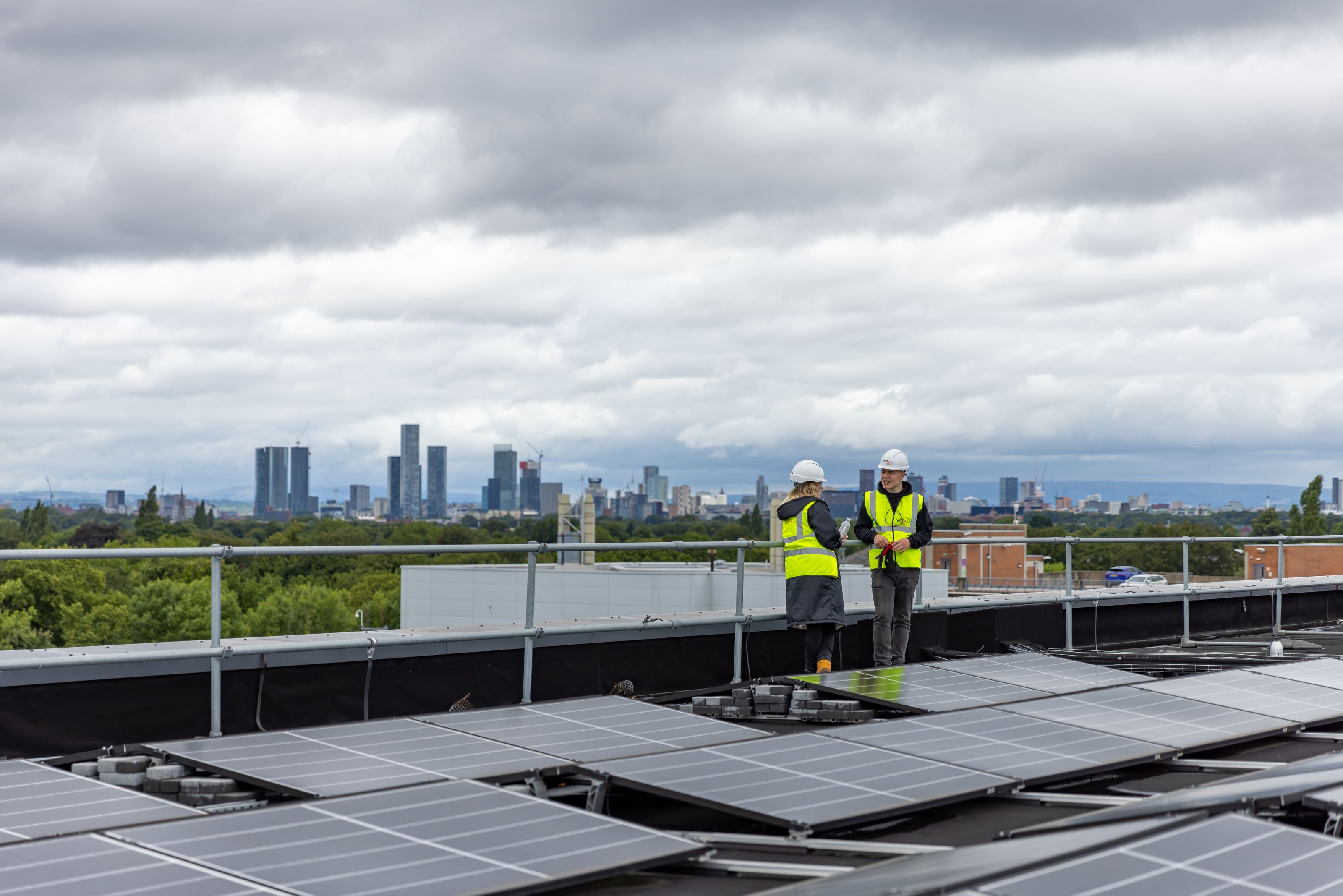
Our Greenovate Illinois decarbonization plan includes a goal of 10,000 renewable energy jobs by 2034. The plan connects community outreach with training in energy efficiency, electric vehicle infrastructure, virtual power plants and energy auditing.
We want people living in these communities to have opportunities to build, maintain and operate the infrastructure being introduced. Community organizations help reach residents, and training partners support recruitment and skills development.
Project Kandor in Ford Heights brings this work together with housing and community development. We created Greenovate REDAO to give the community a direct role in funding decisions and project governance as that program develops.
Version 2 and the next Illinois communities.
We have launched Version 2 of Greenovate REDAO to continue this work. It builds on our work with residents in Maywood and the community proposals recorded through the platform.
We will be expanding into new territories throughout Illinois. The goal is to give more residents a practical way to propose improvements, participate in decisions and help finance projects that beautify their communities, improve sustainability and strengthen the local economy.
Sources
- Beverly Bunch and Robert P. Strauss (2025). Evolution of U.S. State and Local Government Green Bond Issuance. Public Finance Journal, 2(1), pp. 56–72. DOI: 10.59469/pfj.2025.34. Figure 8 supports the comparison of median issue sizes in 2014 and 2021.
- Lumena Energy Compendium, Q1 2022, including REDAO, smart contracts and energy transactions.
- The Cleantech Energy Blockchain, including the REDAO governance diagram, Greenovate Illinois Decarbonization Plan and workforce development.
- Greenovate archived ballots, December 2025.
- ICMA Green Bond Principles.
- NIST: Blockchain Technology Overview, for the explanation of tamper-evident records.
- SEC Investor.gov: Bonds.
- Australian Renewable Energy Agency: Peer-to-Peer Distributed Ledger Technology Assessment.