Virtual power plant technology was at the center of Project Kandor when we launched the initiative in 2022. We wanted to show how connected energy systems could support housing, food production and local jobs in a community that had seen years of disinvestment.
The idea began as a model city where people could see sustainable technology working together. It developed into a broader plan for Ford Heights: a green technology campus and a long-term effort to connect the village’s energy assets, one node at a time.
Chief Engineer featured Project Kandor in November 2022 following our presentation at the University of Chicago. In July 2025, Citizen covered the Ford Heights initiative and its plans for housing, energy and workforce development. Read the 2022 feature · Read the 2025 coverage
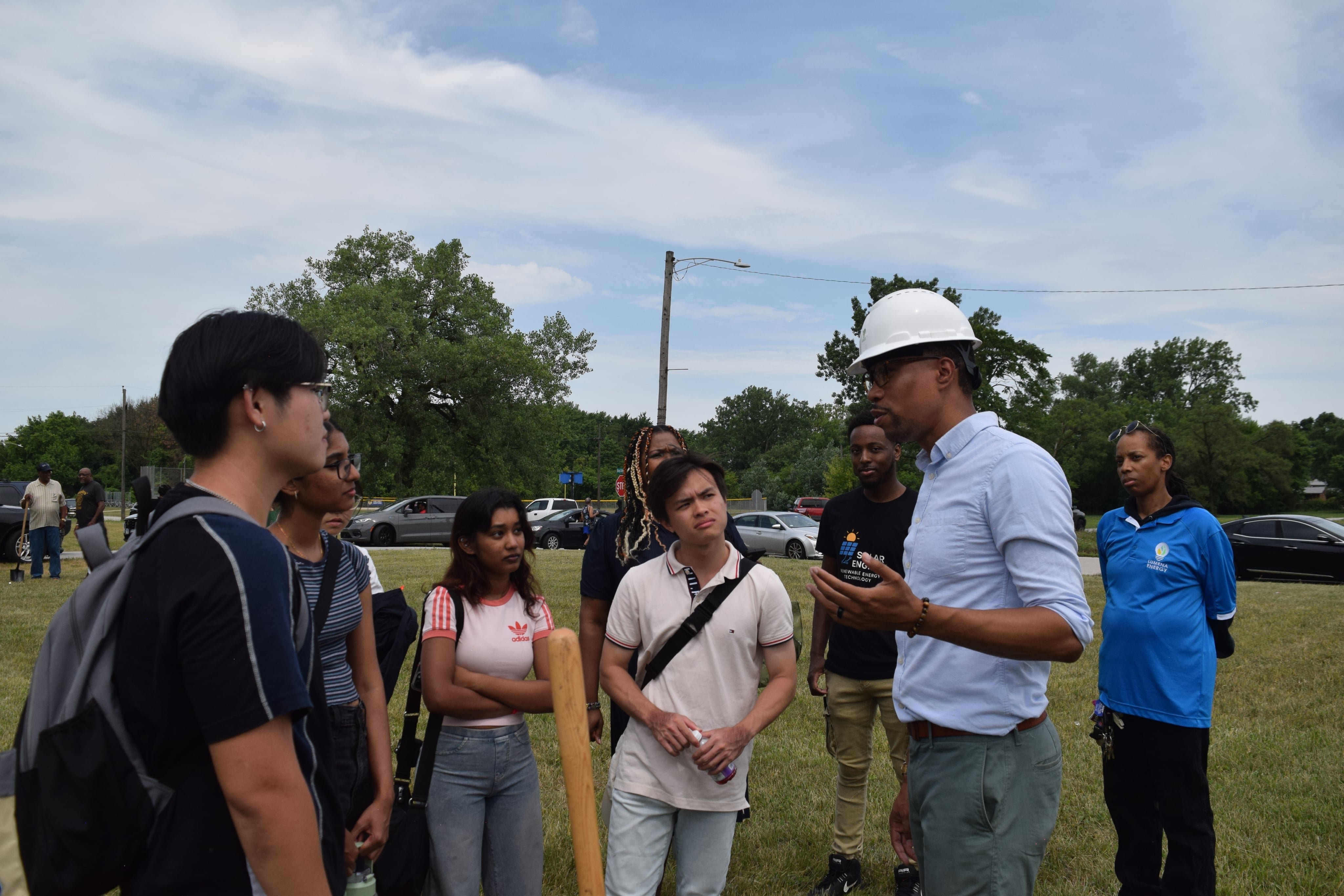
We worked with the University of Chicago, Illinois Tech, the Village of Ford Heights and other strategic partners, bringing academic expertise and local leadership into the project. At the University of Chicago presentation, we invited students to take part in developing the initiative.
Community context · Before the initiative
Why we chose Ford Heights
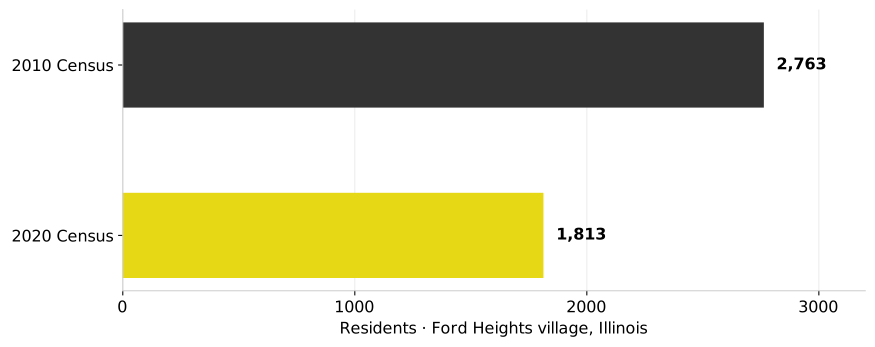
Housing, household income and access to opportunity were central to the plan. Census counts show that Ford Heights lost 950 residents between 2010 and 2020, a 34.4% decline.
A smaller population entering the 2020s
Historical household-income data from the table effective July 1, 2021, published in the workforce partnership’s procedure updated May 26, 2022. Source: Chicago Cook Workforce Partnership
Our long-term vision is to redevelop roughly half the village around connected infrastructure and sustainable living, with housing, energy and community spaces designed to work together.
Project Nehemiah: housing people can build a life around
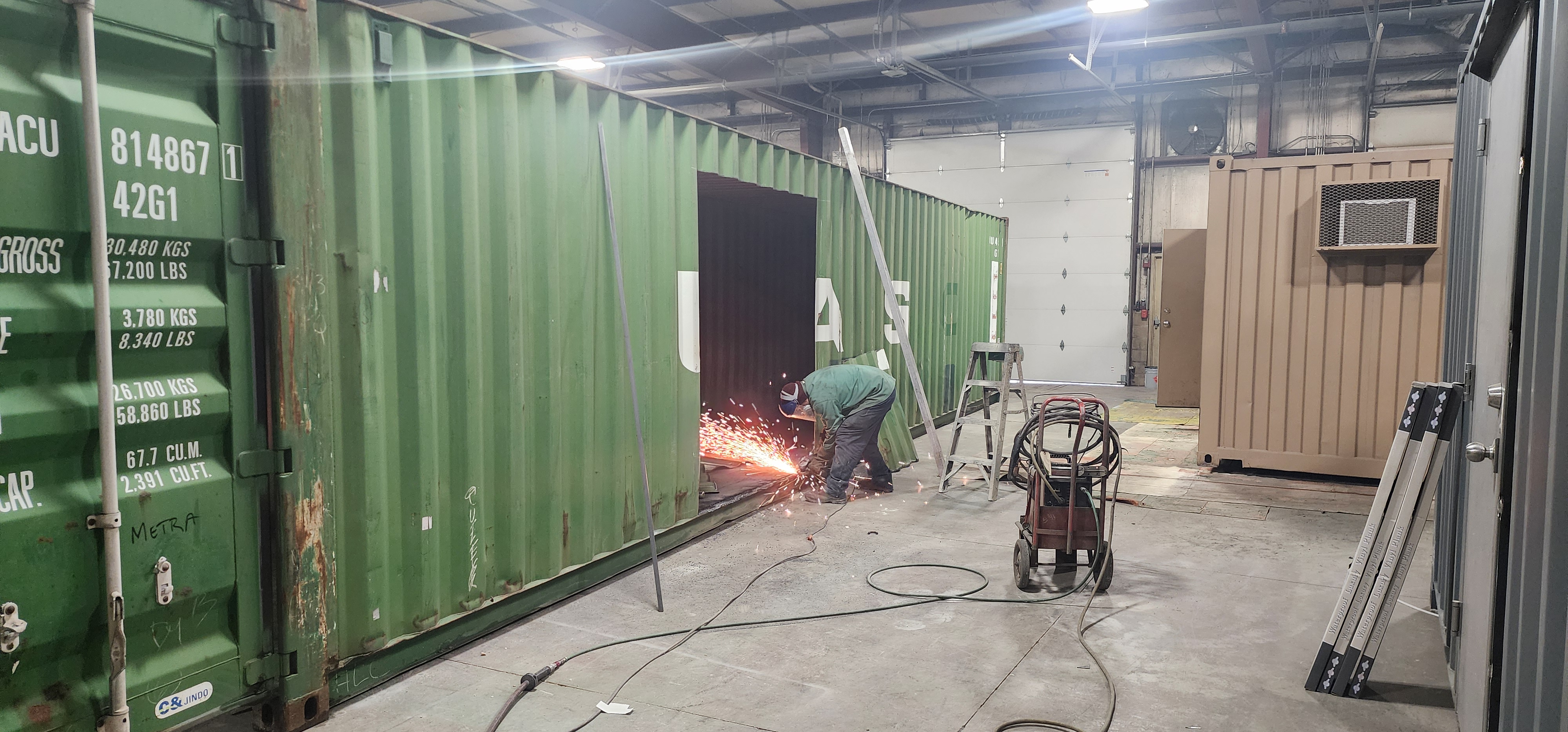
Project Nehemiah is the housing component of Kandor. The plan calls for 40 two-story container homes, using modular construction to create affordable living space. Citizen reported the 40-home proposal in July 2025 and identified Lionel Pittman as the lead for Project Nehemiah. Source: Citizen, July 23, 2025
Project Nehemiah will enable homeowners to participate in a peer-to-peer energy sharing program, allowing them to share excess energy within the community. The goal is to strengthen local energy resilience and help reduce the impact of grid blackouts and brownouts on participating households.
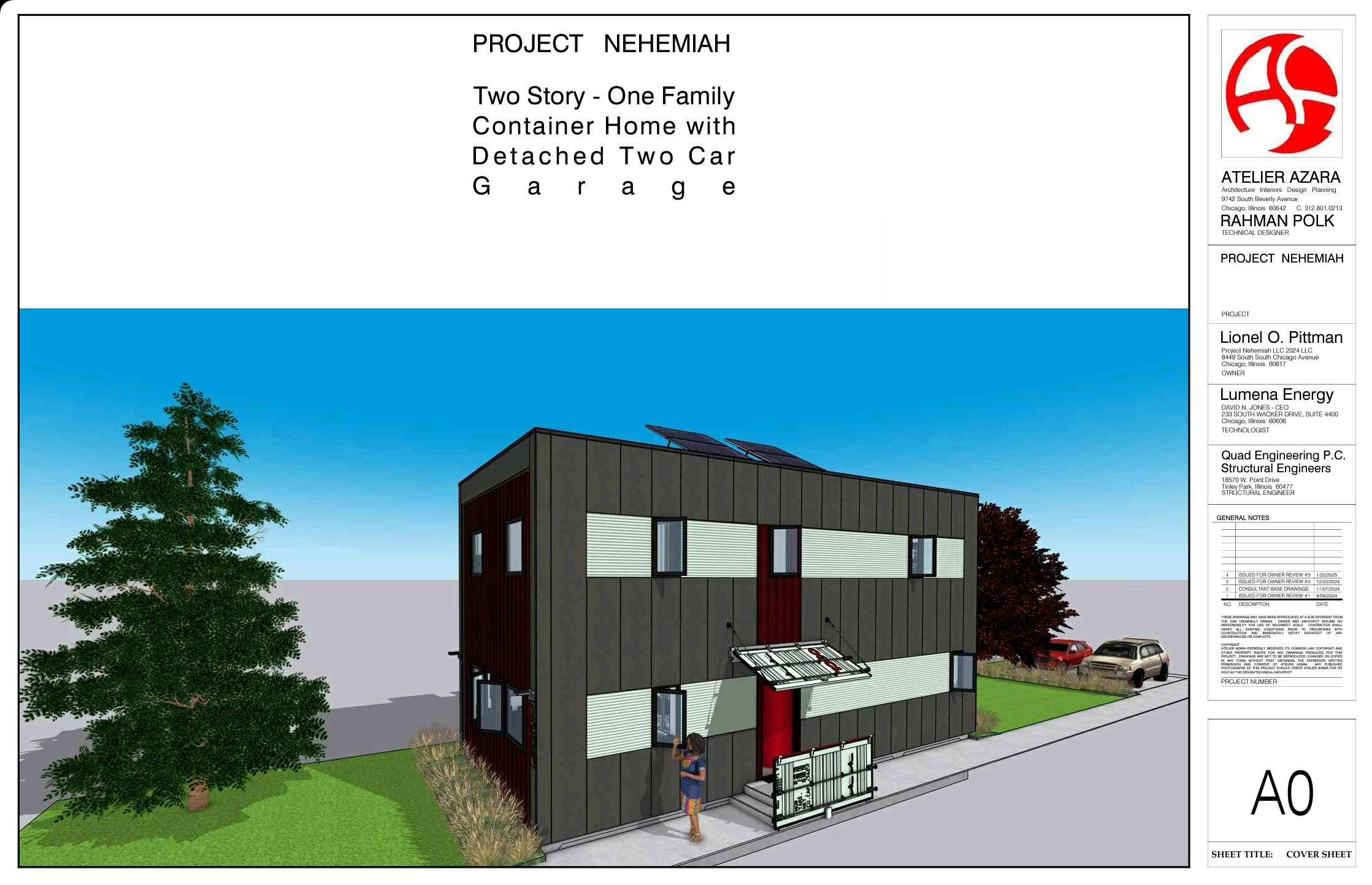
Our architect, Rahman Polk, is part of the Project Nehemiah team. The approved architectural designs set out a two-story, single-family container home with a detached two-car garage.
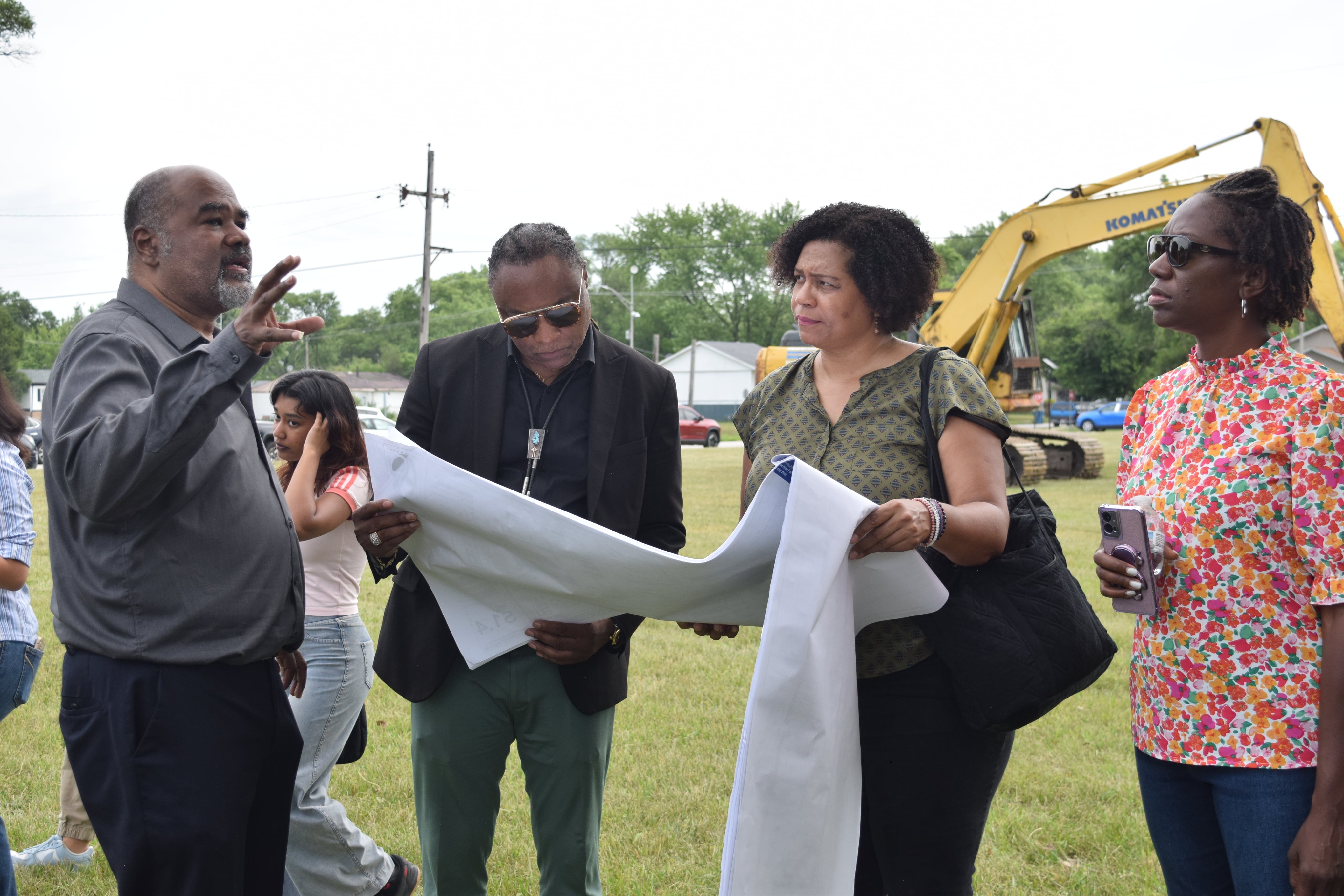
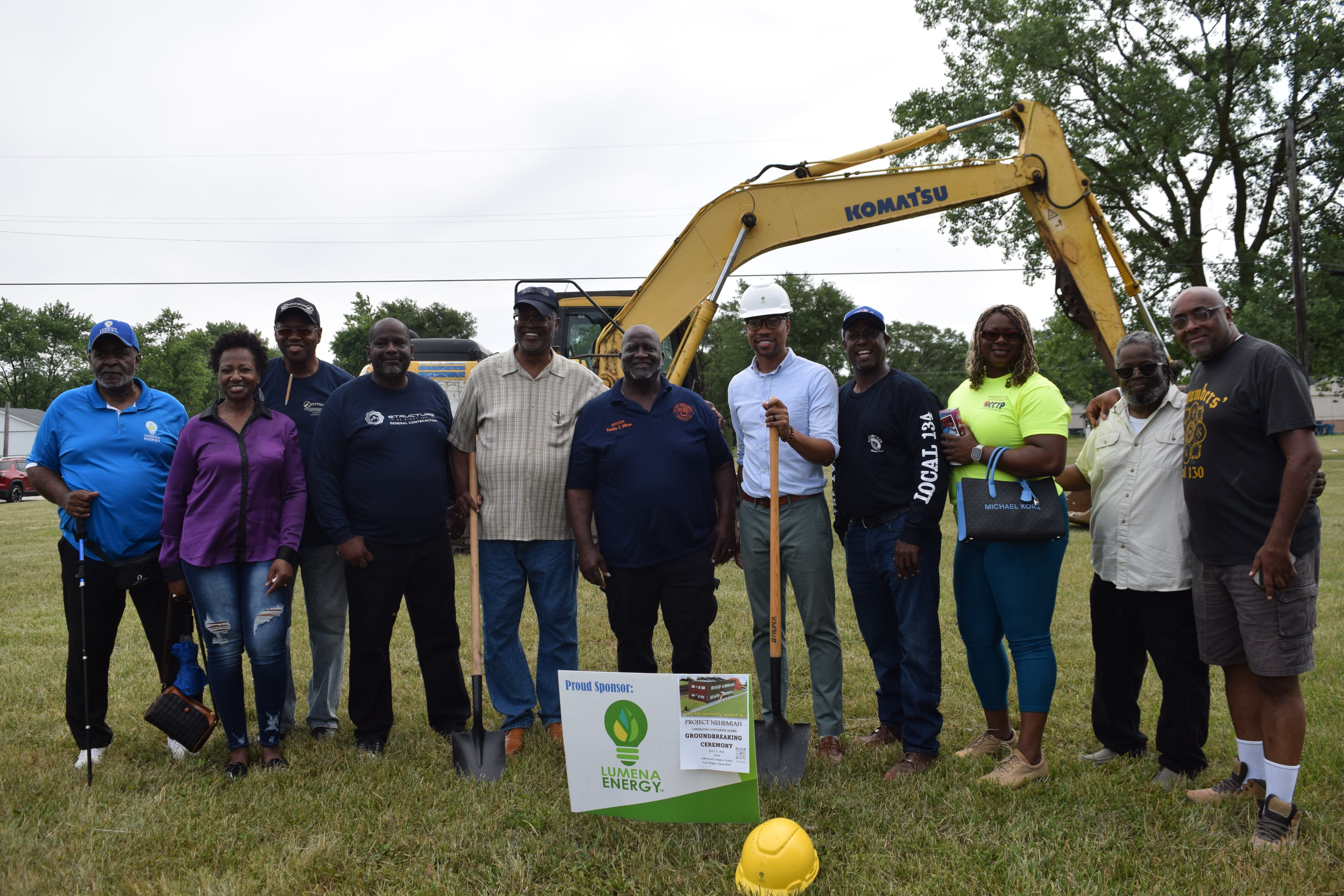
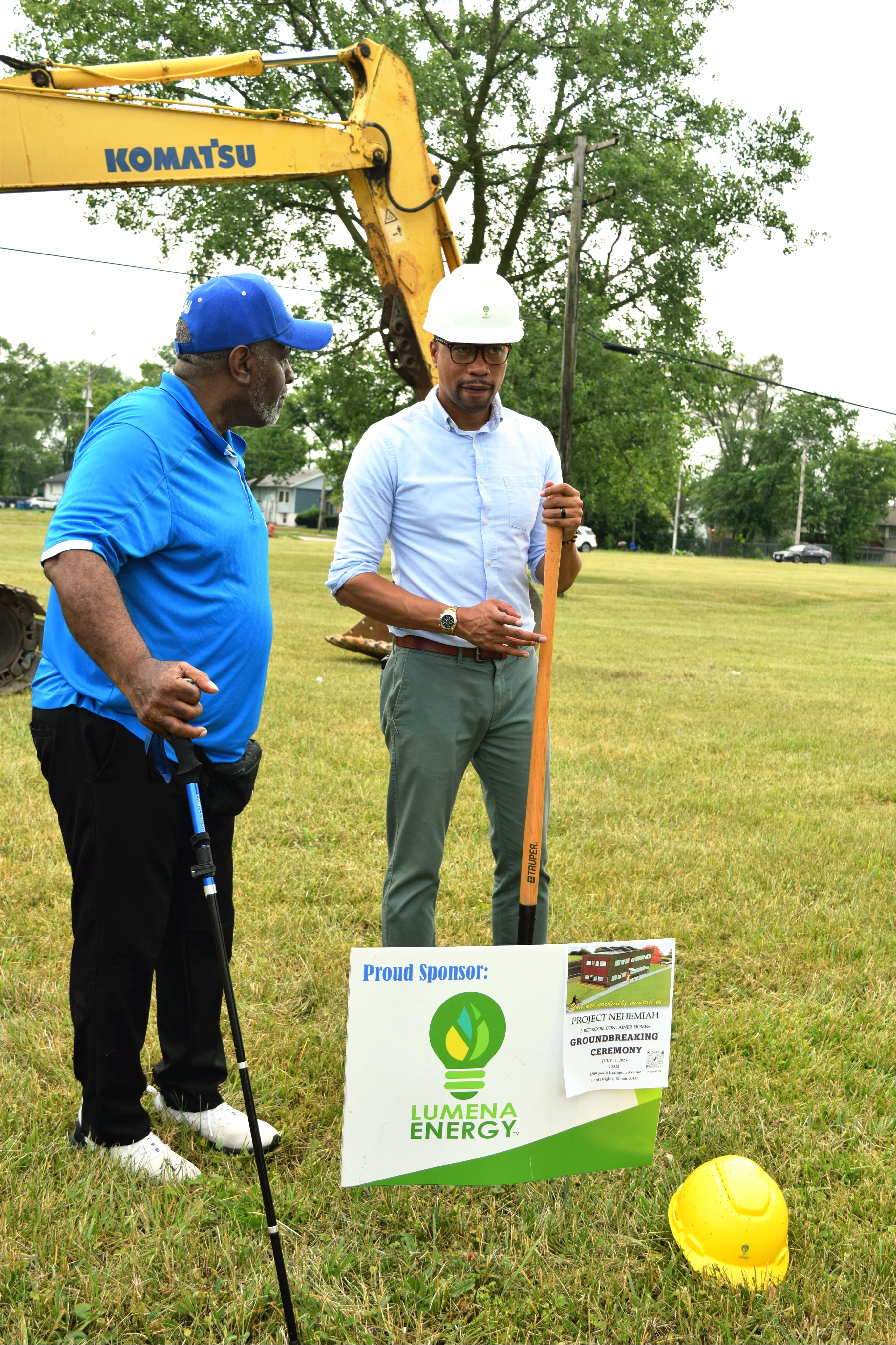
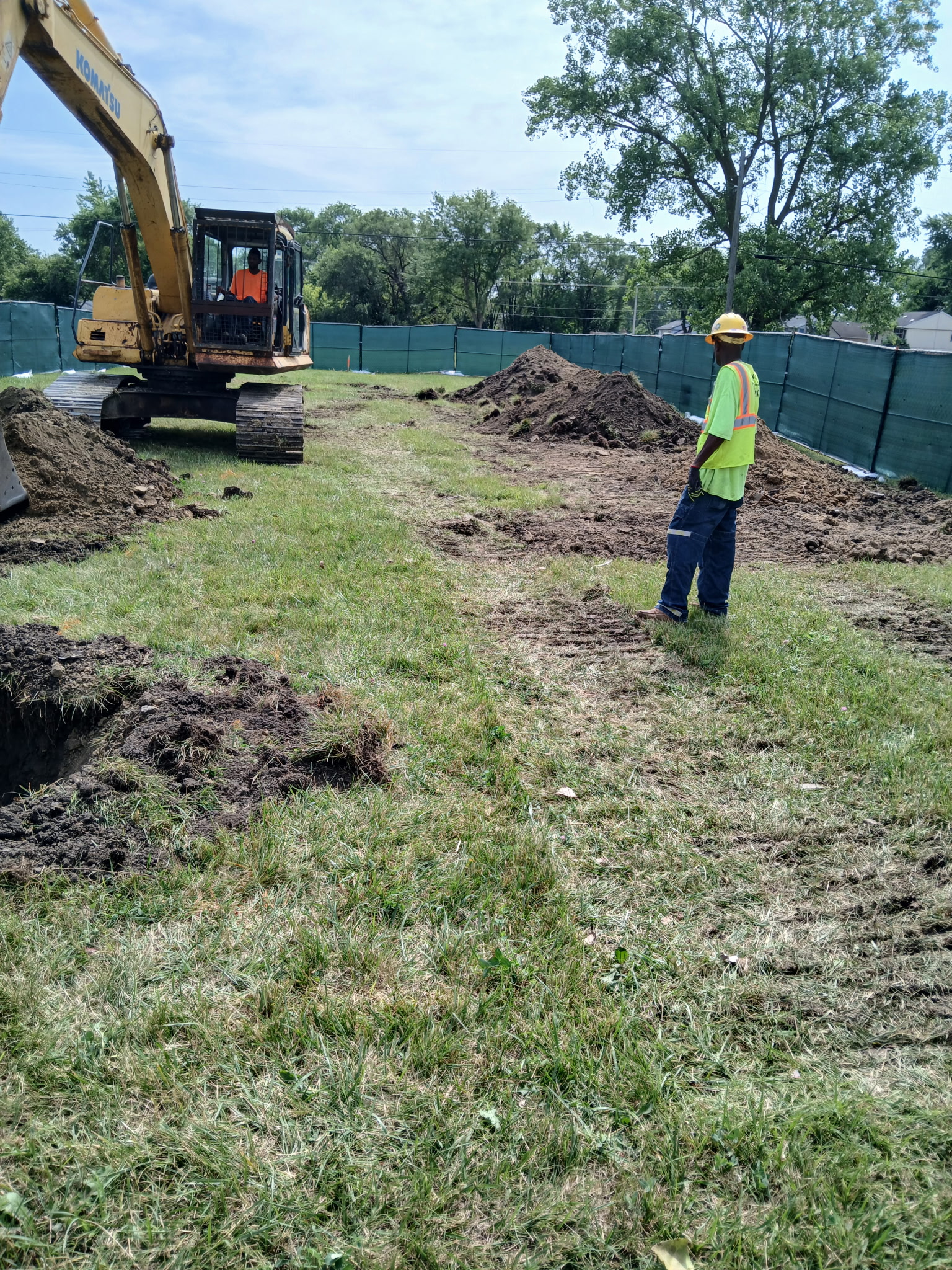
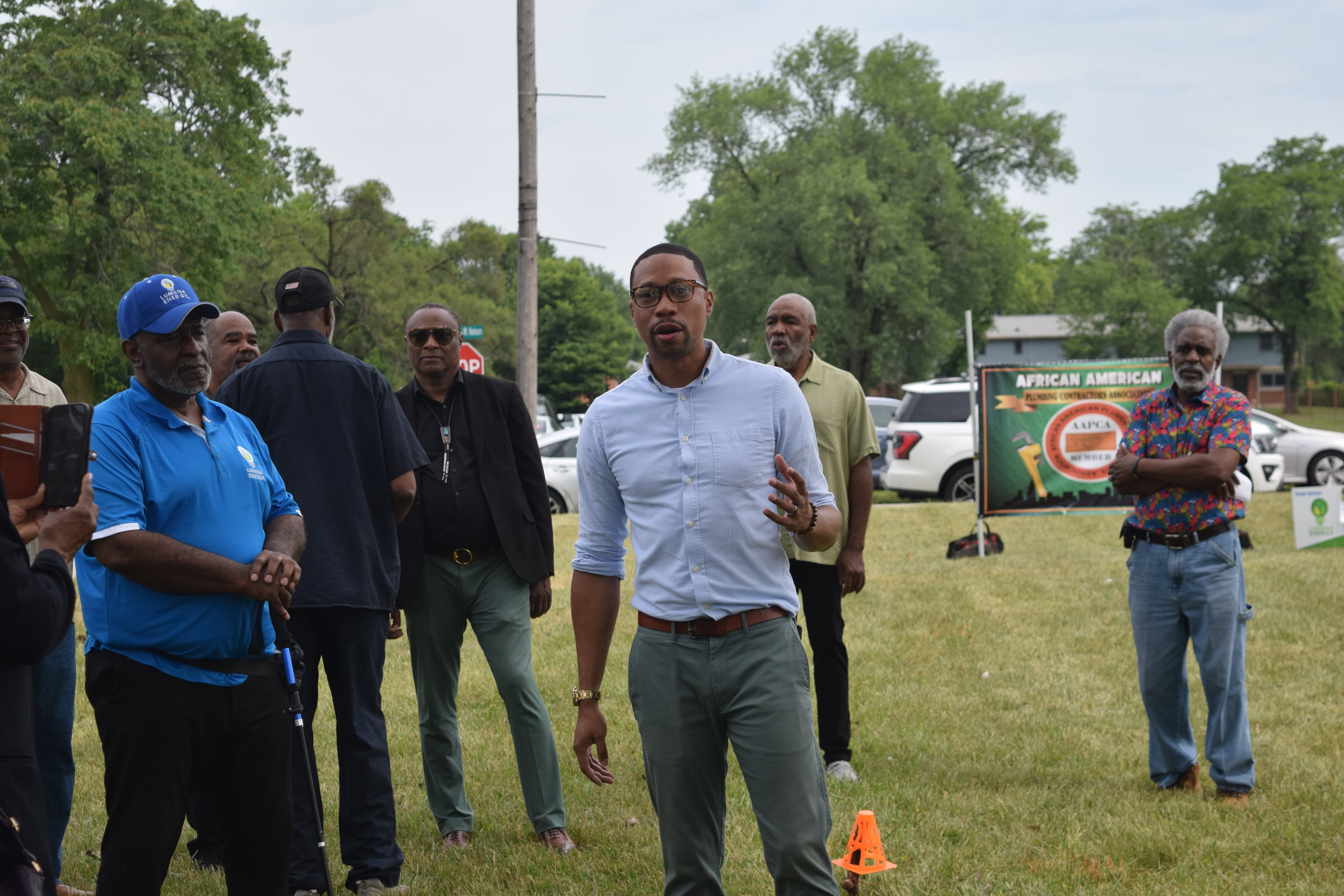
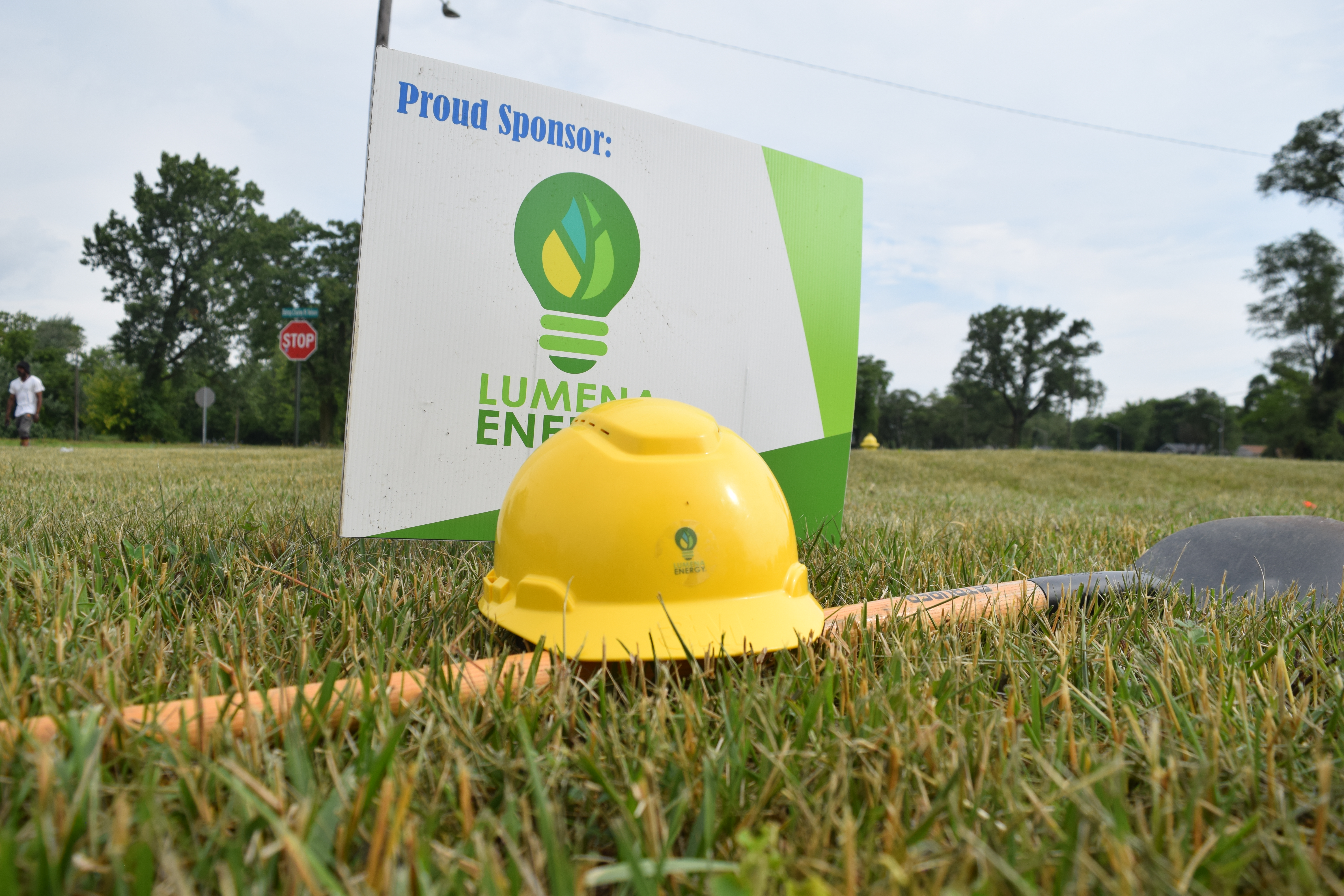
We broke ground in Ford Heights in July 2025, marking a milestone for Project Kandor and Project Nehemiah. Container fabrication and site preparation bring the vision for 40 homes closer to reality.
A virtual power plant, built node by node
The energy goal was to turn Ford Heights into a virtual power plant by connecting participating assets across the village. A node is a connected site or asset, such as a home with solar generation or storage. Coordinating those nodes as a network would help the community work toward greater energy independence.
For Kandor, that meant planning energy infrastructure alongside the homes, community facilities and other uses it would serve. The campus would also include a smart-grid display so residents, students and visitors could see how distributed energy is monitored and coordinated.
A campus for training, research and public learning
We designed Kandor as a place where residents could learn the skills needed to work on the systems being introduced. Lumena Energy’s proposed training would cover renewable energy, virtual power plants and equipment repair, with pathways toward relevant safety training and industry credentials.
The training plan includes workplace safety training related to Occupational Safety and Health Administration (OSHA) requirements, pathways toward North American Board of Certified Energy Practitioners (NABCEP) credentials, hazardous waste operations and emergency response (HAZWOPER) training, and CPR/emergency response. Builder’s STEM Camp would introduce young people to practical engineering and sustainability activities.
The wider campus follows a solarpunk approach: use technology to make everyday life more sustainable and accessible. The proposed geodesic dome, public museum and visitors center would anchor a place for demonstrations, research and community events.
- Housing and food: Project Nehemiah homes, the Living Tower vertical-farming facility and a community garden.
- Technology and research: smart-grid demonstrations, a modular data-center concept, green transport and a startup accelerator.
- Public learning: museum exhibits, sustainability workshops, technology conventions, VR experiences and an eco-education center.
- Community spaces: a children’s play area, art installations, food service and an open-air performance venue.
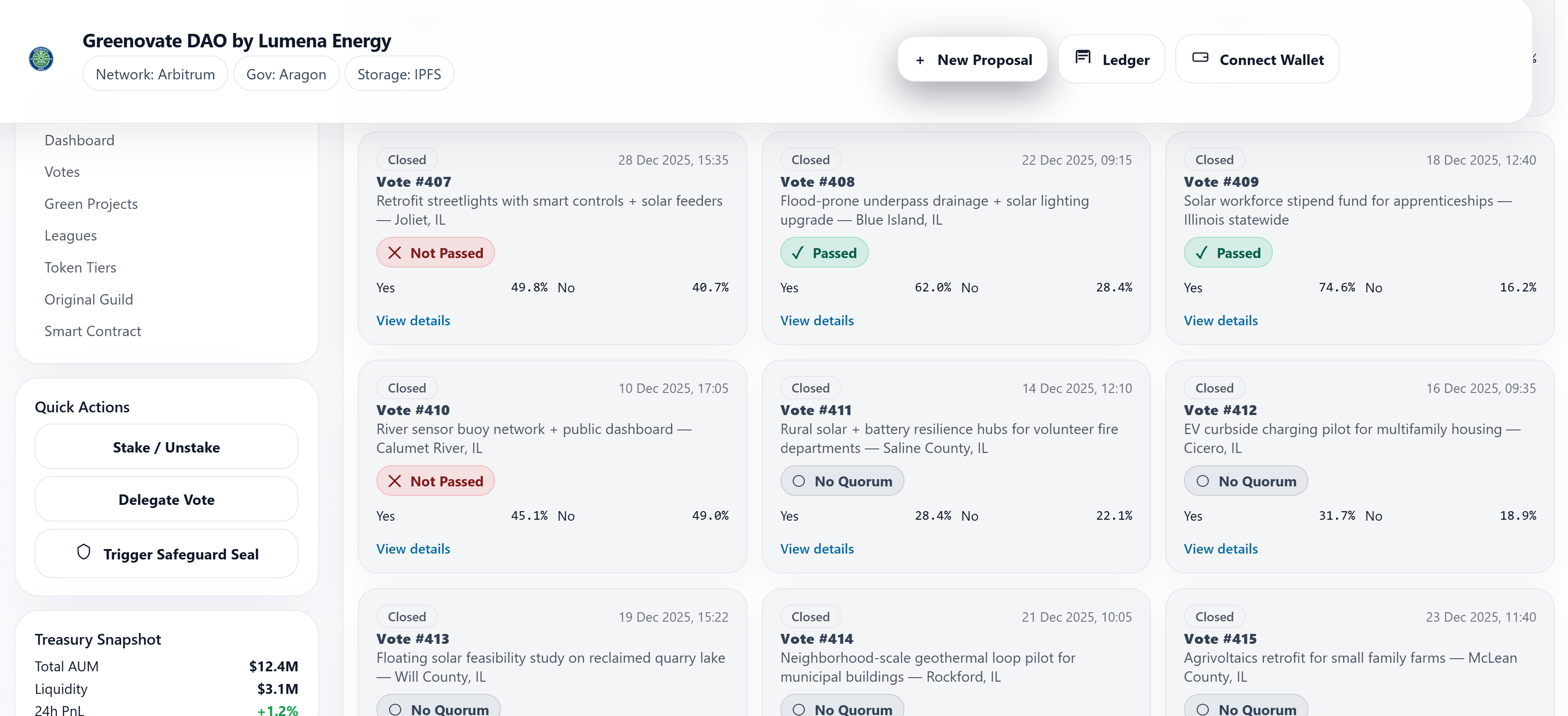
Terraforge is the proposed six-month startup accelerator, with mentoring, workspace and support for impact-focused technology businesses. We created Greenovate REDAO to give the community a direct role in funding decisions and project governance. Explore Greenovate REDAO.
View the Greenovate DAO interface
From the first concept to groundbreaking
Project Kandor is a 10-year, $100,000,000 investment program in Ford Heights. Citizen reported the program’s expected cost and timeline in July 2025. The July 2025 groundbreaking marked a milestone in that long-term effort to connect affordable housing, virtual power plant infrastructure and workforce development in Ford Heights.
- 2022 · Concept launch
Lumena introduced Project Kandor as a sustainable model-city initiative. The November magazine feature records the early vision and University of Chicago presentation.
- July 2025 · Groundbreaking in Ford Heights
We broke ground on Project Kandor and Project Nehemiah with community members and partners in Ford Heights, advancing the vision for affordable housing and a connected energy community.
- Phase I · Development scope
Phase I focuses on site development, the 40-home Project Nehemiah housing plan and the Living Tower vertical-farming facility.
- Phase II · Planned expansion
Phase II would expand the campus with public attractions, educational programs and spaces for technology demonstrations and community events.
Kandor brings housing, energy and workforce development into the same project. Our goal is to build a community where sustainable technology supports everyday life and creates opportunities for the people who live there.
Coverage and research
- Chief Engineer, November 2022, pp. 38–41: early model-city proposal and University of Chicago engagement.
- Citizen, July 23, 2025: Ford Heights plan, housing proposal and workforce-development intentions.
- Illinois CGFA, October 2022, printed p. 49: 2010 and 2020 Census population counts.
- Chicago Cook Workforce Partnership: historical household-income context.